La Liga’s 2026 Financial Rules: US Fan’s Guide to Club Spending
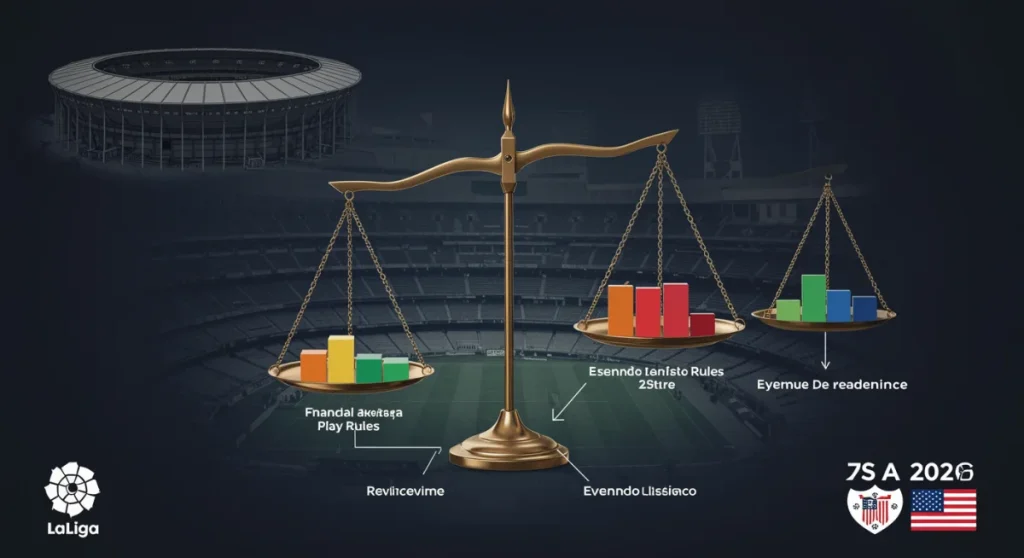
La Liga’s new Financial Fair Play rules for 2026 introduce stricter club spending limits, aiming to ensure long-term financial sustainability and competitive balance across the league, directly impacting how US fans experience their favorite Spanish teams.
For American soccer enthusiasts, understanding the intricacies of La Liga’s New Financial Fair Play Rules for 2026: What US Fans Need to Know About Club Spending Limits is becoming increasingly vital. These regulations aren’t just bureaucratic jargon; they directly influence how your favorite Spanish clubs operate, from player transfers to stadium development, ultimately shaping the on-field product you enjoy.
Understanding the Evolution of La Liga’s Financial Fair Play
La Liga has long been at the forefront of financial regulation in European football, setting a precedent for other leagues. The initial implementation of Financial Fair Play (FFP) was a response to growing concerns over club debt and unsustainable spending. As we approach 2026, these rules are undergoing a significant evolution, designed to further solidify the financial health of Spanish clubs and maintain competitive integrity.
The league’s proactive stance distinguishes it from many others, which often rely on UEFA’s broader FFP framework. La Liga’s model is more stringent, focusing on a real-time control system that monitors club finances throughout the season, rather than just at the end. This continuous oversight aims to prevent financial breaches before they occur, fostering a more stable environment for all teams.
The Genesis of La Liga’s FFP
- Early Challenges: Many clubs faced significant debt and liquidity issues in the early 2010s.
- Proactive Measures: La Liga introduced its own FFP regulations in 2013, predating some of UEFA’s stricter implementations.
- Core Objectives: The primary goals were to promote financial stability, reduce club debt, and ensure clubs could meet their financial obligations.
The journey of La Liga’s Financial Fair Play has been one of continuous refinement. From its inception, the league recognized the need for a robust system that could adapt to the dynamic nature of football finances. This adaptability is key to the upcoming 2026 changes, which reflect lessons learned and new challenges faced by clubs in a globalized football market. The rules are not static; they are living documents that evolve to meet the needs of the league and its stakeholders, including the fans.
In essence, the evolution of La Liga’s FFP is about creating a level playing field and ensuring that no club jeopardizes its future through reckless spending. This commitment to financial prudence is a cornerstone of La Liga’s long-term strategy, ensuring that the league remains a top-tier competition both on and off the pitch. For US fans, this means a more sustainable and exciting league to follow, free from the constant worry of clubs facing financial collapse.
Key Changes in La Liga’s Financial Fair Play for 2026
The 2026 iteration of La Liga’s Financial Fair Play rules introduces several critical adjustments that will redefine club financial management. These changes are not minor tweaks but rather fundamental shifts designed to enhance the league’s resilience and competitive balance. US fans should pay close attention, as these regulations will directly influence transfer market activity and squad compositions.
One of the most significant changes revolves around the calculation of spending limits, often referred to as the ‘salary limit’ or ‘cost limit’. This calculation will become even more sophisticated, taking into account a broader range of financial variables beyond just revenue and debt. The aim is to create a more accurate and comprehensive picture of a club’s financial health, preventing circumvention of the rules through creative accounting.
New Metrics and Calculation Methodologies
- Enhanced Revenue Assessment: Stricter evaluation of projected revenues, particularly those from sponsorships and player sales, to prevent inflated forecasts.
- Control over Amortization: More rigorous scrutiny of player amortization costs, ensuring they align with market realities and club finances.
- Impact of COVID-19: Continued consideration of the pandemic’s lingering financial effects, with potential adjustments to allow clubs to gradually recover without undue penalties.
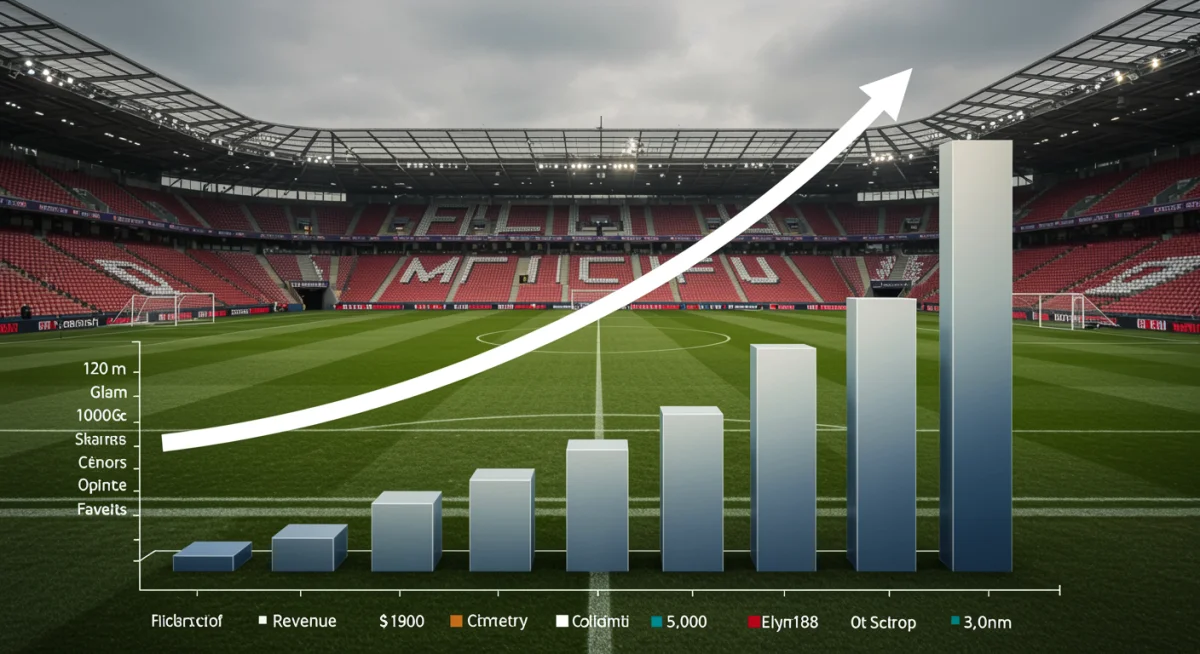
These new methodologies are geared towards a preventative approach, allowing La Liga to intervene earlier if a club’s financial trajectory appears unsustainable. The goal is not to punish clubs but to guide them towards sound financial practices. For example, clubs will face greater scrutiny over their ability to generate their own revenue versus relying heavily on external injections of capital, such as owner loans, which can often mask underlying financial issues.
The 2026 rules will also place a greater emphasis on a club’s ability to generate profit from player sales. This encourages a sustainable business model where clubs develop talent rather than simply acquiring it at great expense. This could lead to a shift in transfer strategies, with a stronger focus on youth development and intelligent recruitment. Ultimately, these changes aim to foster a more equitable and financially responsible league, benefiting all clubs and their supporters.
How Club Spending Limits Will Be Calculated Under the New Rules
The calculation of club spending limits, or ‘Squad Cost Limit’ (LCPD), is the cornerstone of La Liga’s Financial Fair Play. Under the 2026 rules, this calculation will become even more intricate, moving beyond simple revenue-minus-expenses to incorporate a more holistic view of a club’s financial standing and future projections. For US fans, understanding this mechanism provides insight into why certain transfer rumors materialize or dissipate.
Essentially, the LCPD is the maximum amount a club can spend on its playing squad, including salaries, amortization of transfer fees, and agent fees. The new regulations will refine how a club’s ‘capacity to generate’ is assessed, moving towards a system that more accurately reflects long-term financial health rather than short-term cash flow. This means a greater focus on recurring revenue streams and a more cautious approach to one-off windfalls.
Components of the New LCPD Calculation
- Operating Income: This includes matchday revenue, broadcasting rights, commercial income, and other stable sources. The new rules will be more stringent on projected increases.
- Player Sales Profit: A significant factor, encouraging clubs to develop and sell players profitably. However, the percentage of this profit that can be reinvested will be carefully monitored.
- Debt and Liabilities: Clubs with higher levels of debt or significant short-term liabilities will see their spending limits reduced, incentivizing financial deleveraging.
- Equity and Solvency: A club’s overall financial strength and assets will play a larger role, rewarding well-managed institutions.
The concept of ‘structural debt’ versus ‘operational debt’ will also gain prominence. The new rules aim to differentiate between necessary investments, like stadium improvements, and excessive spending on player wages. This nuanced approach acknowledges that not all debt is created equal and allows for strategic, long-term investments while curbing unsustainable operational expenditure.
Furthermore, La Liga will continue its real-time monitoring, providing clubs with updated spending limits throughout the season. This dynamic adjustment means clubs must constantly manage their finances, especially during transfer windows. A club that sells a high-value player might see its spending limit increase, while one that underperforms financially could see it reduced, directly impacting their ability to sign new talent. This continuous oversight ensures that clubs remain within their financial means at all times, promoting a truly fair and competitive environment.
Impact on US Fans: Transfers, Squad Building, and League Competitiveness
For US fans, the academic details of financial regulations might seem distant from the excitement of match day. However, La Liga’s new FFP rules for 2026 will have a profound and tangible impact on the teams they support, affecting everything from marquee signings to the overall competitiveness of the league. These regulations are designed to foster long-term stability, which in turn promises a more engaging and unpredictable viewing experience.
The most immediate effect US fans will notice is on the transfer market. Clubs, particularly those traditionally prone to high spending, will operate under tighter constraints. This doesn’t necessarily mean fewer big-name transfers, but it does imply a more strategic approach. Clubs will need to be smarter in their recruitment, prioritizing value and potential over sheer financial might. This could lead to more emphasis on scouting lesser-known talents or developing players from their academies, a trend many fans appreciate.
Direct Consequences for US Viewers
- Smarter Transfers: Expect clubs to focus on financially viable signings, potentially leading to more tactical and less extravagant transfer windows.
- Youth Development: Increased reliance on academy products and youth talent, offering exciting new prospects for fans to follow.
- Competitive Balance: The aim is to narrow the financial gap between top clubs and mid-table teams, leading to a more unpredictable and exciting league title race.
- Reduced Financial Risks: Less likelihood of clubs facing severe financial penalties or even bankruptcy, ensuring the stability of the teams you love.
For US audiences accustomed to the high-spending nature of some other European leagues, La Liga’s approach might seem restrictive. However, the long-term benefit is a league where financial prudence is rewarded, and sporting merit takes center stage. A healthier financial ecosystem means clubs are less likely to be forced into selling key players due to debt, allowing them to build more stable and cohesive squads over time.
Ultimately, these rules aim to create a more level playing field, where strategic management and sporting prowess are paramount. While it might mean fewer blockbuster transfers in some windows, it promises a league where more teams genuinely contend for European spots and even the title. For US fans, this translates into a more exciting and unpredictable La Liga, where every match carries significant weight and the narrative of the season is less predetermined by financial disparities.
Comparison with Other European Leagues’ Financial Regulations
To fully appreciate the scope of La Liga’s new FFP rules for 2026, it’s beneficial to compare them with the financial regulations in other major European leagues. While UEFA provides a general framework, each league interprets and implements its own specific rules, leading to varying degrees of stringency and impact. La Liga has often been considered one of the strictest, and the upcoming changes will likely reinforce this reputation.
The Premier League, for instance, operates under Profit and Sustainability Rules which, while aiming for financial health, have sometimes been criticized for allowing greater spending capacity, particularly for clubs with wealthy owners. Their focus often centers on losses over a three-year period, which can offer more flexibility than La Liga’s real-time, dynamic spending limits. This difference can be a key factor in the global transfer market, where La Liga clubs might find themselves outbid by Premier League counterparts.
Key Differences in FFP Approaches
- Premier League: Focus on three-year losses; higher revenue generation allows for greater spending, often criticized for creating a larger financial divide.
- Bundesliga: Known for its ’50+1′ rule, which mandates fan ownership, promoting financial prudence and discouraging external debt, though FFP rules are also present.
- Serie A & Ligue 1: Generally follow UEFA’s FFP guidelines, with varying degrees of local enforcement. Often face challenges due to lower revenue generation compared to La Liga or the Premier League.
La Liga’s unique strength lies in its proactive and preventative approach. Unlike some leagues that react to financial breaches after they occur, La Liga’s continuous monitoring and dynamic spending limits aim to prevent clubs from overspending in the first place. This requires clubs to have a comprehensive and realistic financial plan from the outset of each season, rather than waiting until the end to assess compliance.
The 2026 changes will likely widen the gap in regulatory strictness between La Liga and some other leagues. While this might lead to some short-term challenges for Spanish clubs in attracting top talent against financially unrestricted rivals, the long-term vision is to create a more sustainable and competitively balanced league. For US fans, this means a distinct financial landscape in La Liga, one that prioritizes long-term health over immediate, potentially unsustainable, financial splurges.
Preparing for 2026: What Clubs Are Doing Now
With the 2026 deadline for new Financial Fair Play rules approaching, La Liga clubs are not sitting idle. They are actively engaged in strategic planning and operational adjustments to ensure compliance and maintain competitiveness. This preparatory phase is crucial, as clubs that fail to adapt risk significant sporting and financial penalties. For US fans, observing these preparations offers a glimpse into the future strategies of their favorite teams.
Many clubs are focusing on diversifying their revenue streams beyond traditional matchday and broadcasting income. This includes exploring new commercial partnerships, expanding their global brand presence (especially in markets like the US), and investing in digital content. The goal is to create a more robust and resilient financial model that is less susceptible to fluctuations in sporting performance or economic downturns.
Strategic Adjustments by La Liga Clubs
- Revenue Diversification: Investing in new markets, e-commerce, and digital engagement to boost commercial income.
- Cost Control: Implementing stricter controls on operating expenses, including non-playing staff costs and administrative overheads.
- Player Asset Management: Greater emphasis on youth academy development and strategic player sales to generate transfer revenue.
- Data-Driven Decisions: Utilizing advanced analytics to optimize player recruitment and contract negotiations, ensuring maximum value for money.
Clubs are also re-evaluating their squad structures and contract policies. There’s a growing trend towards offering performance-based incentives and ensuring that player wages are aligned with their market value and contribution to the team. This proactive management of the wage bill is vital, as player salaries often represent the largest expenditure for most clubs.
Furthermore, clubs are engaging in more sophisticated financial forecasting and scenario planning. They are working closely with financial advisors and league officials to understand the nuances of the new rules and model their finances accordingly. This foresight allows them to make informed decisions about future investments, whether in new players, infrastructure, or technology. Ultimately, the clubs that best prepare for these changes will be the ones that thrive in the new financial landscape of La Liga, offering US fans a more stable and exciting product.
The Long-Term Vision: Sustainability and Competitive Balance
The overarching goal behind La Liga’s new Financial Fair Play rules for 2026 is to secure the long-term sustainability and competitive balance of the league. This vision extends beyond mere financial solvency; it aims to cultivate an environment where all clubs, regardless of their historical stature, have a genuine opportunity to compete at the highest level. For US fans, this means a league that is not only financially sound but also consistently thrilling and unpredictable.
Sustainability, in this context, refers to a club’s ability to operate profitably and meet its financial obligations without relying on unsustainable practices or continuous external bailouts. It’s about building a robust business model that can withstand economic shocks and competitive pressures. The new rules are designed to embed this philosophy into the very fabric of club management, ensuring that financial health is as important as on-field success.
Benefits of the Long-Term Vision
- Financial Health: Reduces the risk of clubs accumulating excessive debt or facing insolvency.
- Fairer Competition: Helps to level the playing field, making the league more competitive and less dominated by a few financially superior clubs.
- Enhanced Reputation: Strengthens La Liga’s image as a well-managed and responsible league globally.
- Increased Fan Engagement: A more competitive and stable league is inherently more engaging for fans, fostering deeper connections with teams.
Competitive balance is the other critical pillar of this vision. By controlling excessive spending, especially on wages and transfer fees, the rules aim to prevent the creation of insurmountable financial disparities between clubs. While some financial hierarchy will always exist, the regulations seek to ensure that even clubs with smaller budgets can, through astute management and intelligent sporting decisions, challenge for honors and European qualification.
This commitment to a sustainable and balanced league ensures that La Liga remains a premier football competition for decades to come. For US fans, this means investing their passion in a league that values integrity, responsibility, and genuine sporting competition. It’s a vision where the drama unfolds on the pitch, not in the financial reports, guaranteeing a compelling narrative throughout each season and ensuring the enduring appeal of Spanish football.
| Key Aspect | Description for US Fans |
|---|---|
| Stricter Spending Limits | Clubs face tighter budgets for player wages and transfers, impacting squad composition. |
| Enhanced Monitoring | Real-time financial oversight prevents overspending before it becomes problematic. |
| Focus on Sustainability | Promotes long-term financial health and reduces reliance on external funding. |
| Competitive Balance | Aims to create a more level playing field, leading to a more exciting league. |
Frequently Asked Questions About La Liga FFP 2026
The primary goal is to ensure the long-term financial sustainability of all La Liga clubs while promoting greater competitive balance within the league. This prevents clubs from accumulating excessive debt and fosters responsible financial management.
US fans might see clubs adopt more strategic and less extravagant transfer policies. There will be a greater emphasis on youth development and acquiring players who offer good value, potentially leading to fewer blockbuster signings but smarter squad building.
Yes, La Liga’s FFP system is generally considered one of the most stringent, with its real-time monitoring and dynamic spending limits. It focuses more on preventing financial issues rather than just penalizing them after they occur, setting it apart from some other leagues.
The LCPD is the maximum amount a club can spend on its playing squad. The 2026 rules will make its calculation more comprehensive, factoring in a broader range of financial variables beyond just revenue, including debt levels and overall financial solvency, for a more accurate limit.
The new rules aim to narrow the financial gap between clubs, which should lead to a more unpredictable and exciting league. US fans can anticipate a more level playing field, where strategic management and sporting merit play a greater role in determining success.
Conclusion
The upcoming changes to La Liga’s New Financial Fair Play Rules for 2026: What US Fans Need to Know About Club Spending Limits represent a significant evolution in the governance of Spanish football. These regulations are not merely an administrative update; they are a strategic move designed to secure the long-term viability and competitive integrity of one of the world’s most captivating football leagues. For US fans, this means a more financially stable La Liga, where the drama on the pitch is driven by sporting prowess rather than financial disparity. Clubs will be compelled to adopt smarter, more sustainable business models, focusing on revenue diversification, youth development, and prudent spending. While it might lead to a different transfer landscape, the ultimate outcome is a healthier, more balanced, and ultimately more exciting league for generations of fans to enjoy.