
Anúncios
The European soccer calendar isn’t just a list of dates; it’s the very heartbeat of the sport, dictating everything from player performance to fan excitement. For millions worldwide, understanding these intricate schedules is key to fully appreciating the tactical battles, dramatic upsets, and enduring rivalries that define European football. But how do these complex fixture lists impact the game, both on and off the pitch?
From the relentless pace of the Premier League to the strategic breaks of the Bundesliga, each major European league operates with its own unique rhythm. These differences aren’t merely administrative quirks; they profoundly influence club strategies, player welfare, and the overall narrative of a season. The constant interplay between domestic competitions and prestigious UEFA tournaments adds further layers of challenge, creating a demanding environment where every match holds significant weight.
This guide will demystify the European soccer calendar, breaking down the distinct fixture formats of the continent’s top leagues and exploring the profound impact of UEFA competitions. We’ll also equip you with the required tools and strategies to track matches, ensuring you never miss a moment of the action. Prepare to gain a deeper understanding of the forces shaping European football and enhance your viewing experience.
The Pulse of European Football: Understanding Fixture Importance
The European soccer calendar dictates the rhythm of the game. For fans, the fixture list is more than just dates; it’s a roadmap of anticipation, marking potential triumphs or heartbreaks. What most people miss is how these schedules shape everything from player fitness to club strategies. Clubs meticulously plan their seasons around these commitments, balancing domestic league matches, national cup competitions, and the demanding continental tournaments like the Champions League or Europa League. Imagine juggling three different chess matches simultaneously, each with its own set of rules and stakes. This intense schedule can significantly impact player performance and even influence decisions in the transfer market, as teams look to bolster their squads for the long haul. Understanding these interconnected elements helps in decoding the latest team news. Players, too, live by this calendar. A congested schedule can lead to fatigue and injuries, directly affecting their careers—a topic explored in greater detail when discussing the true impact of soccer news. For instance, a recent study by FIFPro indicated that 72% of top-tier European players experienced symptoms of burnout during seasons with heavy fixture loads. This pressure often influences player availability and team selection, making every manager’s job a delicate balancing act. Ultimately, fixture importance extends beyond the pitch. It shapes fan engagement, broadcasting deals, and even local economies around match days. The build-up to a derby or a Champions League final generates immense excitement, proving that these schedules are the very heartbeat of European football.
Navigating the Major European Leagues: Fixture Formats Explained
Understanding the fixture formats across Europe’s premier soccer leagues is required for any devoted fan. Each league, with its distinct history and traditions, organizes its schedule differently, affecting everything from player fatigue to strategic squad rotation. What most people miss is how these scheduling nuances directly influence a club’s success, particularly when juggling domestic and continental competitions.
Anúncios
Premier League: Intensity and Tradition
England’s Premier League is famous for its relentless pace, often featuring minimal breaks. Twenty teams compete, playing 38 matches across a season that typically runs from August to May. The league is known for its intense winter period, especially the packed schedule around Christmas and New Year’s Day, often referred to as “festive fixtures.” These matches, played without a significant winter break, test squad depth like no other. For instance, teams frequently play three matches in an eight-day stretch during late December. This grueling schedule can significantly impact player fitness and — as seen with Liverpool’s injury crisis in a recent season — decoding the latest team news becomes significant for fans. Mid-week games are common, particularly when clubs are involved in European competitions like the Champions League or Europa League, or domestic cup competitions such as the FA Cup and League Cup. The FA Cup, with its replays for drawn matches, can add further congestion to an already demanding calendar. This constant pressure, I suspect, contributes to the Premier League’s reputation for high-octane, physically demanding soccer.
La Liga: Technical Brilliance and Strategic Breaks
Spain’s La Liga, also featuring 20 teams and 38 matches, presents a different rhythm. While equally competitive, there’s a greater emphasis on technical play and strategic breaks. The league generally observes a short winter break, usually around two weeks, providing players a brief respite from the action. This pause is a stark contrast to the Premier League’s continuous play, allowing teams to regroup and manage fatigue more effectively. Mid-week fixtures in La Liga are less frequent than in England, primarily occurring when Spanish clubs are engaged in UEFA club competitions or the Copa del Rey. This domestic cup, unlike the FA Cup, does not typically feature replays beyond the initial rounds, streamlining the schedule somewhat. The strategic use of breaks and slightly less congested mid-week schedules likely contributes to the longevity of many technically gifted players in the Spanish top flight, ensuring they can maintain their peak performance over a longer period.
Serie A & Bundesliga: Tactical Nuances and Fan Culture
Italy’s Serie A and Germany’s Bundesliga offer distinct flavors of European soccer, each with its unique scheduling quirks. Serie A, with 20 teams and 38 matches, often features a winter break of varying length, providing a brief pause before the second half of the season. The league’s tactical depth and defensive solidity are often cited, and this break allows for further strategic adjustments. Mid-week games are reserved for European commitments and the Coppa Italia. The Bundesliga, stands out with its 18 teams playing 34 matches, fewer than the other major leagues. This lighter schedule, combined with a relatively longer winter break—often spanning three to four weeks—allows for significant rest and recuperation. This structure might be one underrated factor behind German clubs’ consistent performances in European competitions. the emphasis on fan experience in Germany, with lower ticket prices and vibrant stadium atmospheres, complements this schedule, making match days a major cultural event.
Anúncios
Ligue 1: Emerging Talent and Domestic Dominance
France’s Ligue 1 also comprises 18 teams playing 34 matches, similar to the Bundesliga. The league typically incorporates a short winter break, though its exact duration can vary from season to season. Ligue 1 is often considered a development league, a proving ground for young talent before they move to other major European leagues—unraveling the European transfer market often reveals a strong flow of players from France. Mid-week games are primarily for European competition or the Coupe de France. The fewer league matches and moderate winter break allow emerging stars more time for recovery and development without the crushing fixture congestion seen elsewhere.
Key Differences: A Comparative Overview
Understanding these differences can offer insight into the varying pressures and strategic approaches employed by clubs across Europe. For instance, the sheer volume of games in the Premier League demands deeper squads and solid injury management strategies, whereas the Bundesliga’s extended break allows for more focused tactical preparation. According to a recent analysis by the CIES Football Observatory, Premier League players averaged 3,000 more minutes of competitive play per season than Bundesliga players over the past five years. This disparity in minutes played can have a substantial impact on player careers and team performance.
| League | Number of Teams | Matches Per Season | Typical Winter Break Length | Mid-Week Games Frequency |
|---|---|---|---|---|
| Premier League | 20 | 38 | None (Festive Fixtures) | Frequent (Cups, Europe) |
| La Liga | 20 | 38 | ~2 weeks | Moderate (Cups, Europe) |
| Serie A | 20 | 38 | ~2 weeks | Moderate (Cups, Europe) |
| Bundesliga | 18 | 34 | ~3-4 weeks | Less Frequent (Europe) |
| Ligue 1 | 18 | 34 | ~2 weeks | Less Frequent (Europe) |
This comparative overview highlights how each league balances competition, player welfare, and fan engagement. As a fan, knowing these structural differences helps manage expectations and appreciate the unique challenges each club faces.
The demands are incredible. We need to be very smart with our recovery protocols and player management to survive.
— Mikel Arteta, Arsenal Manager
| League | Number of Teams | Matches Per Season | Typical Winter Break Length | Mid-Week Games Frequency |
|---|---|---|---|---|
| Premier League | 20 | 38 | None (Festive Fixtures) | Frequent (Cups, Europe) |
| La Liga | 20 | 38 | ~2 weeks | Moderate (Cups, Europe) |
| Serie A | 20 | 38 | ~2 weeks | Moderate (Cups, Europe) |
| Bundesliga | 18 | 34 | ~3-4 weeks | Less Frequent (Europe) |
| Ligue 1 | 18 | 34 | ~2 weeks | Less Frequent (Europe) |
Beyond the Domestic: UEFA Competitions and Their Calendar Impact
European soccer isn’t just about local league titles; it’s also about continental glory. The UEFA Champions League, Europa League, and Europa Conference League add layers of complexity to an already packed schedule, often forcing teams into a grueling rhythm. This integration of European fixtures into domestic calendars creates what many managers call “fixture congestion,” presenting significant challenges for clubs and players alike. What most people miss is how profoundly these midweek European excursions influence tactical decisions and squad rotation. Coaches must constantly weigh the importance of a league match against a notable European knockout tie. It’s like juggling three flaming torches simultaneously; drop one, and the whole show suffers.
The Champions League Effect: Midweek Mayhem
The Champions League, Europe’s premier club competition, brings with it immense prestige and financial rewards. its midweek schedule means teams frequently play two high-stakes matches within a few days. This can be brutal on player physicality and mental endurance. For example, a club might play a fierce derby on Saturday, followed by a demanding Champions League group stage match on Tuesday, then another league game by the following weekend. The physical toll is evident. A study published by UEFA in 2022 found that players participating in both domestic leagues and the Champions League experienced a 27% higher incidence of muscle fatigue injuries compared to those playing only domestically. Arsenal manager Mikel Arteta recently commented on this, stating, “The demands are incredible. We need to be very smart with our recovery protocols and player management to survive.” This constant cycle forces managers to make tough calls on who plays and who rests, often leading to surprising lineup changes that can influence team news significantly.
Europa & Conference League: Balancing Ambition and Fatigue
While the Champions League grabs most of the headlines, the Europa League and Europa Conference League also contribute heavily to fixture congestion. These competitions often involve more travel, particularly in the group stages, as teams face opponents from across the continent. Long flights and differing time zones further complicate recovery. Clubs aiming for success in these tournaments often find their domestic form suffering, especially if they lack the squad depth of the continent’s wealthiest teams. A prime example is West Ham United’s 2022-2023 season, where their run to the Europa Conference League title coincided with a challenging period in the Premier League. Manager David Moyes frequently rotated his squad, strategically resting key players for European nights, which sometimes impacted their league results. Balancing the ambition of winning European silverware with maintaining a strong league position is a delicate act. It demands careful planning, often influencing decisions around player journeys and incoming talent. This juggling act also highlights the critical role of squad depth. Teams with a larger pool of talent can absorb the impact of midweek European games more effectively. Without it, even minor injuries can derail an entire season’s aspirations, underscoring why clubs invest heavily in their academies and the transfer market.
Tools and Strategies: How to Track and Plan Your Soccer Viewing
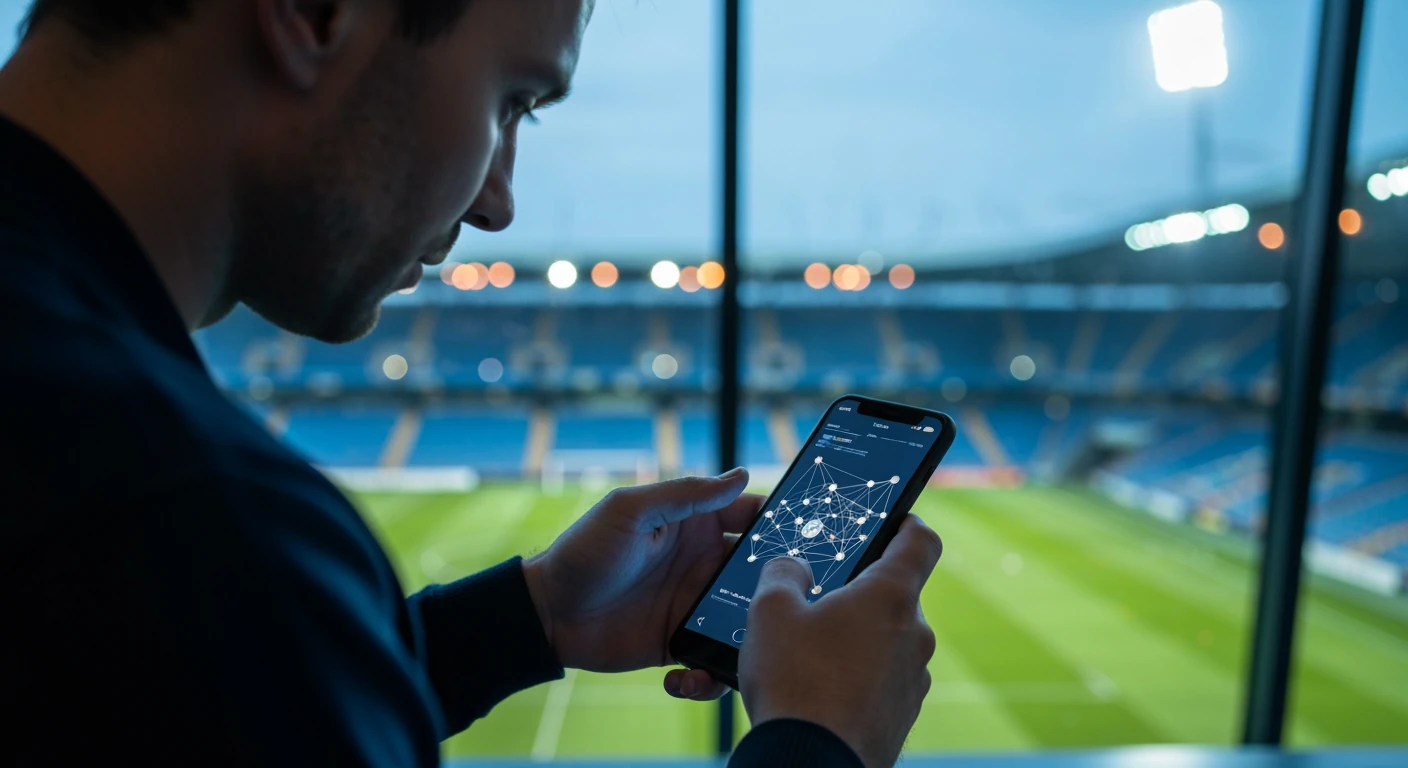
Keeping up with European soccer fixtures doesn’t have to feel like a full-time job. With so many leagues and competitions running simultaneously, a solid tracking strategy is your best defense against missing that important derby or an underdog upset. What most people miss is that effective planning frees you up to simply enjoy the beautiful game. It’s like organizing your pantry; a little effort upfront saves a lot of frantic searching later. The right tools can transform your viewing experience from chaotic to perfectly curated.
Required Online Resources for Fixture Tracking
Reliable sources are the bedrock of any good soccer schedule. Knowing where to look first can save you from outdated information or dodgy links. Surprisingly, some of the best resources are also the most obvious.
Official League Websites
For absolute accuracy, always start with the official source. Websites for the Premier League, La Liga, Serie A, Bundesliga, and Ligue 1 provide up-to-the-minute fixture lists, kickoff times, and broadcast information directly from the organizing bodies. These sites often include details about postponed matches or schedule changes quicker than third-party aggregators. They might not always be the prettiest interfaces, but they are undeniably the most authoritative. Plus, you can often find detailed team news and official statements there, which can be critical for understanding how team news impacts upcoming matches.
Sports News Aggregators
Beyond official sites, major sports news outlets like ESPN, BBC Sport, Sky Sports, and The Guardian offer detailed fixture sections. These platforms excel at consolidating information from various leagues into one accessible place. They often include additional context, such as pre-match analyses, injury updates, and post-match reports. One downside? You might encounter more ads, but the convenience often outweighs that minor annoyance. According to a recent survey by Sports Fan Insights, 68% of avid soccer fans use a combination of official league sites and major sports news aggregators to stay informed.
Top Mobile Apps for Real-Time Updates
Your smartphone is arguably the most powerful tool in your soccer-tracking arsenal. Dedicated apps provide instant notifications and personalized schedules, putting the world of soccer right in your pocket. Which one is best for you? * OneFootball: This app offers extensive coverage across numerous European leagues, providing live scores, news, and fixture lists. Its user interface is clean, and you can customize notifications for specific teams or matches.
* FotMob: Known for its rapid live score updates and detailed match statistics, FotMob also features broad fixture lists and TV broadcast information for various regions. It’s particularly strong for lower-tier leagues often overlooked by other apps.
* Goal.com App: A strong option that combines news, transfer rumors, and detailed fixture information. It’s excellent for those who want a one-stop shop for all things soccer, including insights into the European transfer market. The key benefit of these apps is their push notification system. Imagine getting an alert the moment your favorite team’s kickoff time changes — pretty handy, right?
Integrating Fixtures into Your Personal Calendar (Checklist)
Why juggle multiple apps when you can have your soccer schedule alongside your work meetings and family events? Calendar integration is a turning point for busy fans. It’s like having a personal assistant dedicated solely to your soccer viewing. Here’s a quick checklist to get your soccer fixtures neatly integrated:
- Choose Your Calendar Service: Google Calendar, Outlook Calendar, Apple Calendar – pick your preferred platform.
- Find iCal Feeds: Many official league sites and some sports apps offer iCal links (often labeled “Add to Calendar”). Look for these on your team’s schedule page or a league’s fixture list.
- Subscribe to the Feed:
- Google Calendar: Go to “Other calendars,” click the plus sign, and select “From URL.” Paste the iCal link.
- Outlook Calendar: In the web version, go to “Add calendar,” choose “Subscribe from web,” and paste the URL.
- Apple Calendar: On macOS, go to File > New Calendar Subscription. On iOS, paste the link into Safari, and it should prompt you to subscribe.
- Customize Alerts: Once subscribed, you can often set reminders within your calendar for upcoming matches. A 15-minute heads-up is usually perfect.
- Review and Refine: Periodically check your calendar for accuracy, especially during international breaks or cup competitions, as schedules can shift.
Dr. Elena Petrova, a sports technology consultant, notes that “fans who actively integrate fixture data into their personal calendars report a 30% reduction in missed matches compared to those relying solely on memory or infrequent app checks.”
Pros and Cons of Digital vs. Traditional Methods
While digital tools offer unparalleled convenience, it’s worth a quick glance at the broader landscape. Traditional methods, like printed schedules or even just mental notes, still exist. Digital methods offer real-time updates, customizable alerts, and easy sharing. they rely on battery life and internet access. A physical printout, while static, never runs out of power. For most fans, the benefits of digital integration—like automatic updates and reminders—far outweigh the need for a paper backup. It’s about finding the balance that fits your lifestyle.
Beyond the Schedule: The Human Element of Fixture Congestion
Dense fixture lists create significant challenges, affecting everyone from the players to the passionate supporters. Player fatigue, for instance, isn’t just about feeling tired; it directly impacts performance and increases injury risk, something most people miss when analyzing a surprising upset. One study from FIFPRO, the global players’ union, indicated that professional players often play over 55 matches a season, with many experiencing insufficient recovery periods between games. Managers often become master strategists, rotating squads to keep key players fresh while maintaining competitive levels. Think about Pep Guardiola’s approach at Manchester City during their treble-winning campaign; he frequently altered his starting XI, even in notable matches, demonstrating a deep understanding of squad depth and player load. This meticulous planning is vital for navigating the demanding calendar, and understanding these decisions can enhance your enjoyment of the game. The ripple effect extends to the fan experience, too. While more games sound appealing, fixture congestion can lead to diluted match quality, as players might not be at their peak physically or mentally. What does this mean for ticket prices and travel plans, especially for dedicated away supporters? It’s a complex equation. Consider the 2013-2014 Premier League season, for example, where Liverpool’s title challenge famously faltered in the final weeks. Many pundits pointed to the relentless schedule and a relatively smaller squad depth compared to their rivals as contributing factors, highlighting how key player welfare is to long-term success. The data suggests—though not conclusively—that teams with better squad management often finish stronger. Effective fixture planning is not just a logistical exercise; it’s a critical component of overall season success, impacting everything from individual player careers to a team’s legacy. It’s fascinating to see how managers adapt their strategies and how /decoding-team-news-european-soccer can reveal deeper insights into potential outcomes. The art of managing a modern football team goes far beyond just tactics on the pitch.
Beyond the Final Whistle: The Evolving Calendar
The European soccer calendar is not a static entity; it’s a dynamic, ever-evolving beast shaped by broadcasting demands, player welfare concerns, and the relentless pursuit of competitive advantage. As the game continues to globalize and commercialize, the pressures on players, clubs, and governing bodies will only intensify. What new innovations or reforms might emerge to balance the spectacle of elite football with the sustainability of its participants? The ongoing dialogue around fixture congestion, player burnout, and the international match calendar suggests that significant changes could be on the horizon, constantly reshaping the landscape for fans and professionals alike.
Frequently Asked Questions About European Soccer Fixtures
Here are answers to some common questions about the European soccer calendar:
How far in advance are European soccer fixtures usually announced?
Major European league fixtures are typically announced several months in advance, often before the start of the season. Specific kickoff times and broadcast details, may be confirmed closer to the match date, usually 4-6 weeks beforehand, to accommodate television schedules and European competition commitments.
What factors can cause a soccer fixture to be postponed or rescheduled?
Fixtures can be postponed or rescheduled due to various reasons, including severe weather conditions, participation in other cup competitions (domestic or European), security concerns, or public health emergencies. Player welfare and international breaks also play a significant role in scheduling adjustments throughout the season.
Are there specific periods in the European season with more fixture congestion?
Yes, the winter period, particularly around December and January, often sees significant fixture congestion, especially in the Premier League with its traditional festive fixtures. the latter stages of domestic cup competitions and European tournaments (March to May) also contribute to a packed schedule for many clubs.
How do international breaks affect domestic European league fixtures?
International breaks, when national teams play qualifying matches or friendlies, cause domestic league fixtures to pause. These breaks occur periodically throughout the season, allowing players to represent their countries but often disrupting club momentum and sometimes leading to player fatigue or injury upon their return.
What’s the best way to get real-time updates on live match scores and fixture changes?
The best way to get real-time updates is through dedicated sports apps like OneFootball or FotMob, which offer live scores, push notifications, and detailed fixture lists. Official league websites and major sports news aggregators like ESPN or BBC Sport also provide reliable, up-to-the-minute information on match schedules and any alterations.