Anúncios
goalkeeper distribution errors leading to decisive goals occur when poor technique, rushed decisions, pressure, or fatigue produce under-hit or misdirected passes that opponents intercept; coaches cut risk with targeted drills, progressive pressure, video review, and clear KPIs.
goalkeeper distribution errors leading to decisive goals show how a single pass or throw can change a result. Want clear examples and practical steps teams can try to reduce that risk?
Common causes of distribution errors in goalkeepers
goalkeeper distribution errors leading to decisive goals often start with a single small mistake. A rushed kick or a loose throw can turn defense into a sudden attack.
These errors come from technique, bad choices, and game pressure. Below we break down the common causes and how they connect.
Anúncios
Technical and mechanical mistakes
Poor foot placement, weak contact, or a bad grip on the ball make trajectories hard to control. Even minor flaws in technique change where the ball lands.
Decision-making under pressure
Under pressure, keepers may pick risky targets or hurry a release. Wrong decisions often follow limited scanning or a lack of communication with teammates.
- Rushing a pass without checking nearby options
- Attempting long distributions when a short pass is safer
- Failing to call teammates into space
- Miscalculating pace or direction of the ball
When opponents press high, these faults are exposed fast. Defenders out of position make interceptions more likely, and a single mistake can lead to a clear chance.
Anúncios
Environmental and physical factors
Wet balls, poor gloves grip, bad footwear, and a slippery pitch affect control and accuracy. Fatigue late in the match reduces decision speed and technical sharpness.
Tactical choices also shape risk. Teams that ask goalkeepers to play out from the back increase the number of challenging passes. Without focused practice, such tactics raise the chance of turnovers.
Training imbalance is another common cause. Many keepers practice shot-stopping more than game-speed distribution. Less time on pressure drills and passing under match conditions leaves gaps.
Signs to watch include hurried releases, under-hit or over-hit passes, and missed calls to defenders. Video review and pattern spotting help coaches find recurring issues.
Simple fixes—targeted drills, pressure simulations, clearer team roles, and consistent communication—cut the risk. Repetition and real-game scenarios build safer choices and cleaner technique.
Focus on these causes and you reduce the chance that one distribution error will decide a match.
Real match moments: how small mistakes become deciding goals
goalkeeper distribution errors leading to decisive goals often begin in calm moments like goal kicks or throws. A small technical or timing fault can invite an instant counter.
Below are real match patterns that show how tiny mistakes turn into clear chances for the opponent.
short pass turned turnover
The keeper chooses a short option to keep possession but the pass is under-hit or predictable. An opponent closes and forces a steal within seconds.
common triggers in short plays
Poor body position, weak contact, and silence from defenders all increase risk. Simple misreads give attackers the opening they need.
- Under-hit pass lands near an opponent
- Defender fails to show for the ball
- Opponents press immediately and win possession
- Keeper panics and clears poorly
Long clearances can fail in other ways. A misdirected long kick may bounce awkwardly or be headed back into danger. Opponents need only one good touch to create a shot.
Watch how timing matters: a split-second delay in release or a glance away can change the whole play. Teams that spot these moments stop repeating the same error.
saves, parries and bad follow-ups
After a save, a weak follow-up clearance or a hurried pass can open space. The ball often falls to an attacker in a scoring position.
- Parried ball not secured
- Clearance goes to danger zones
- Defender loses track of the bounce
Coaches use match clips to teach safer choices. Pausing the video at the decision point helps players see better options and avoid rushing.
Players trained with real scenarios respond faster in games. Repetition under simulated pressure builds cleaner technique and smarter reads.
Reviewing actual mistakes also shows team faults: poor spacing, unclear roles, or weak signals to the keeper. Fixing those reduces the chance that one error will decide a match.
Studying these moments makes it clear that goalkeeper distribution errors leading to decisive goals are often preventable with targeted practice, clearer communication, and smarter decisions.
Training adjustments and drills to reduce distribution lapses
goalkeeper distribution errors leading to decisive goals drop when training focuses on real decisions, not just kicks. Small, repeatable drills shift habits fast.
Start simple and add pressure as the keeper improves. Practice must mirror match speed and choices.
technical repetition
Work on foot placement, body angle, and clean contact. Short, focused reps build muscle memory.
- Pass to targets at varied distances for accuracy
- Controlled throws to shoulder height for clean catches
- One-touch and two-touch releases under calm conditions
Keep sessions short and precise. Many small wins beat one long practice. Emphasize quality over volume to keep technique sharp.
progressive pressure drills
Introduce pressure in steps so the keeper learns to decide under stress. Start with passive opponents, then add active pressing.
- Two-touch rondos with a keeper passing out to defenders
- Keeper vs. pressing attacker in a 5-3 zone drill
- Time-limited distributions to force quicker choices
Use real-game angles and distances. Train scanning before release so decisions come faster. Add a scorer to reward good choices and punish risky ones.
Mix ball types and surfaces. Practice with wet balls, different gloves, and on varied turf so the keeper adapts to real conditions. Fatigue drills late in practice improve decision-making under tiredness.
video and feedback cycles
Record drills and review short clips with the keeper. Pause at the moment of choice and ask what options were visible.
- Show clear examples of correct distributions
- Highlight repeated error patterns for targeted work
- Set small, measurable goals for the next session
Clear, specific feedback helps the keeper understand what to change and why. Pair video with on-field repetition to lock in better habits.
Focus on simple, progressive steps: refine technique, add realistic pressure, and use quick video feedback. These adjustments reduce errors and lower the chance that one distribution will decide a match.
Using data and technology to spot risk and improve decisions
goalkeeper distribution errors leading to decisive goals can be spotted early with the right data and tools. Small patterns in passing, timing, and pressure often show up in numbers and video.
Using tech helps coaches see repeat mistakes and fix them faster than memory alone.
video tagging and clip review
Mark moments where distribution fails and group them by type. Clips reveal the choice, technique, and surrounding positioning.
Review short sequences with the keeper to ask what they saw and why they acted. This turns vague feedback into clear, repeatable learning.
tracking and pass maps
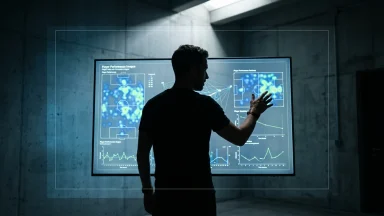
Player-tracking provides where the keeper releases the ball and where it lands. Heatmaps show risky zones and safe targets.
- Track pass targets and interception locations
- Measure pass distance and success by zone
- Compare distributions under pressure versus no pressure
These metrics highlight if errors cluster in certain parts of the pitch or against specific press shapes. Coaches can then change tactics or positioning to reduce risk.
performance metrics and alerts
Set simple KPIs like short-pass accuracy, under-hit rate, and decision time. Dashboards can flag when a keeper falls below thresholds during a match.
Real-time alerts let staff know when the keeper faces repeated pressure so they can adjust tactics quickly.
- Short-pass accuracy from inside the box
- Percentage of distributions intercepted
- Average decision time before release
These numbers make post-match discussions concrete and help set measurable training goals.
wearables and ball sensors
Glove and ball sensors measure spin, speed, and grip quality. Wearables track fatigue and load, which affect decision speed and technique.
Combine sensor data with video to see how tiredness or poor grip links to bad distributions.
When teams mix these inputs, they build a fuller picture of risk and cause.
Using a mix of video, tracking, simple KPIs, and sensors creates clear patterns. That clarity helps teams train smarter and reduce the chance that one distribution error will decide a match.
Goalkeeper distribution errors leading to decisive goals are often avoidable. Focused technique work, progressive pressure drills, and quick video plus data feedback build safer habits and cut the risk of a single turnover deciding a match.
FAQ – goalkeeper distribution errors leading to decisive goals
What are the main causes of goalkeeper distribution errors?
Errors usually come from rushed decisions, poor technique, fatigue, bad grip or pressure from opponents. Team spacing and communication also matter.
How can coaches reduce distribution mistakes in training?
Use short, focused drills that mimic match speed, add progressive pressure, practice scanning and clear communication, and give quick feedback.
Does video and data analysis really help prevent these errors?
Yes. Video shows decision points and patterns, while pass maps and KPIs reveal risky zones and recurring faults to target in practice.
Which drills best improve distribution under pressure?
Combine technical reps (foot placement and throws) with small-sided pressing drills, timed releases, and late-session fatigue work to build resilience.