Anúncios
From crackling radios to crystal-clear 4K, the way we experience live soccer has undergone a breathtaking evolution. What was once an exercise in pure imagination, reliant on verbal descriptions, has transformed into an immersive, multi-sensory spectacle. This journey isn’t merely about technological upgrades; it’s a testament to human ingenuity in bringing the beautiful game closer to its global fanbase.
This dramatic shift began with humble radio broadcasts in the 1920s, gradually incorporating grainy black-and-white television, and eventually exploding into the high-definition, multi-camera productions we know today. Each decade introduced groundbreaking innovations, from color screens and multiple angles to the advent of digital broadcasting, fundamentally redefining viewer expectations and engagement.
This article delves into the intricate orchestration behind live match coverage, exploring the roles of directors and camera operators, the required contributions of technical crews, and the voices that bring the game to life. We’ll also examine how interactive features and data overlays are revolutionizing fan engagement, and consider the global challenges and triumphs of international broadcasts, before peering into a future shaped by AI, VR, and personalized viewing experiences.
The Evolution of Live Soccer Broadcasts: From Radio to High-Definition
Ever wondered how we got from crackling radios to crystal-clear 4K soccer coverage? The journey is wild.
Live soccer match coverage has undergone a stunning transformation, driven by relentless technological advancements that continually redefine how fans experience the beautiful game. What most people miss is the sheer speed of this evolution.
Anúncios
From rudimentary broadcasts to today’s immersive spectacles, each era introduced new possibilities, pushing the boundaries of what was once imaginable for sports enthusiasts globally. It’s a fascinating look back.
Early Days: Radio and Black & White Screens
Imagine tuning into a match where you couldn’t actually see the ball. That was the reality for early soccer fans.
The dawn of live soccer coverage began with radio broadcasts in the 1920s, offering listeners vivid verbal descriptions of the action. British Broadcasting Company (BBC) famously aired its first live soccer match commentary in 1927, capturing an Arsenal vs. Sheffield United game for an estimated 1.5 million listeners. These broadcasts, while revolutionary, demanded immense imagination from the audience.
Anúncios
Television introduced a visual dimension, albeit a limited one, with the first televised match in 1937 between Arsenal and Arsenal Reserves. Black and white images, often grainy and with a single camera angle, were the norm for decades. It’s almost comical how basic it was.
Even into the 1960s, a significant portion of the audience still relied on radio, especially for away games, illustrating the slow but steady march of visual media. The BBC’s dominance meant many experienced key moments, like the 1966 World Cup final, initially through radio before seeing highlights. What an experience that must have been.
The Digital Revolution: HD, 4K, and Beyond
Then came the digital age, ripping up the rulebook for soccer broadcasts.
The late 20th century saw the introduction of color television and multiple camera angles, significantly enriching the viewing experience. the real turning point arrived with High Definition (HD) broadcasting in the early 2000s, providing unparalleled clarity and detail. Consider that in 2006, only about 15% of US households had an HDTV; by 2012, that figure had jumped to over 75%, according to Nielsen data, fundamentally altering viewer expectations.
Today, 4K Ultra HD offers four times the resolution of standard HD, making every blade of grass and facial expression incredibly sharp. Broadcasters like Sky Sports and BT Sport regularly offer 4K coverage for major European fixtures, immersing viewers in a way previously thought impossible. What’s next for this visual feast?
The integration of virtual reality (VR) and augmented reality (AR) elements, along with advanced statistical overlays, hints at an even more interactive future. The data suggests — though not conclusively — that personalized viewing experiences, where fans can choose camera angles or access player-specific stats on demand, are on the horizon. It will definitely change how we follow our favorite teams.
Behind the Scenes: The Orchestration of a Live Match Broadcast
Think watching a match is just flipping a switch? You’re missing the entire war room of activity. Producing live soccer coverage demands a meticulous, almost military-level coordination, turning a chaotic event into a polished, consumable spectacle. What most people miss is the sheer scale of the operation.
The Director’s Vision: Crafting the Narrative
Every live broadcast begins with a director’s vision, shaping how millions experience the game. This isn’t just about pointing cameras; it’s about storytelling in real-time, deciding which angles highlight a player’s skill or a key referee call. The director, often perched in a high-tech mobile control room, makes split-second decisions, switching between dozens of camera feeds to build a compelling visual narrative. It’s like conducting an orchestra, but with 22 players and a ball that refuses to stay still.
Camera Operators: Capturing Every Angle
Imagine trying to follow a tiny object moving at breakneck speed across a massive field for 90 minutes. That’s the daily grind for camera operators. A typical top-tier match, like a UEFA Champions League knockout game, might deploy 20-30 cameras, each with a specific role. There are main cameras for wide shots, tight-tracking cameras for individual players, and specialized cameras like high-speed super slo-mo or even overhead drones. This diverse array ensures no moment, fleeting, escapes capture. According to a 2023 report from Broadcast Sport magazine, major broadcasters like Sky Sports often utilize upwards of 25 cameras for a single Premier League fixture, costing an estimated $150,000 to $200,000 per match for equipment and crew alone.
The Voice of the Game: Commentators and Pundits
The voices we hear are more than just announcers; they are the game’s interpreters, adding context, emotion, and sometimes, much-needed controversy. A lead commentator describes the action, while a color commentator (often a former player or coach) provides tactical insights and analysis. Then there are the pitchside reporters, grabbing immediate reactions, and studio pundits who dissect the game pre- and post-match. Their ability to deliver instant, coherent analysis shapes public perception of player performances and critical decisions on the field. You can often find their opinions influencing discussions around /soccer-transfer-news-analysis-impact.
Technical Crew: Ensuring Flawless Delivery
Behind every perfect frame and crystal-clear audio feed is a small army of technical professionals. Engineers manage video and audio signals, ensuring broadcast quality and preventing dreaded glitches. Graphics operators overlay scores, statistics, and replays, making complex data digestible. Replay operators are masters of instant recall, providing slow-motion views of key moments from multiple angles. Without this intricate web of technical expertise, the beautiful game would remain unseen by millions.
| Broadcast Role | Primary Responsibilities |
|---|---|
| Director | Oversees entire broadcast, selects camera feeds, dictates flow. |
| Producer | Manages logistics, budget, and overall content strategy. |
| Camera Operator | Operates specific cameras, follows on-field action. |
| Vision Mixer | Switches between camera feeds as directed by the director. |
| Audio Engineer | Balances microphones, ensures clear sound for commentary and crowd. |
| Graphics Operator | Generates on-screen scores, statistics, and player names. |
| Replay Operator | Prepares and plays back instant replays for key moments. |
| Commentator | Provides live play-by-play description of the match. |
| Pundit/Analyst | Offers tactical insight and expert commentary. |
This table barely scratches the surface, of course. The smooth delivery of a live match, whether it’s a routine league fixture or a critical European showdown, depends on hundreds of small, perfectly executed tasks. It’s an incredibly precise dance, one where a single misstep can ruin the viewing experience for millions, and it speaks to the hidden dedication required to bring the action directly to your screen. What kind of behind-the-scenes drama do you think happens when a major technical glitch hits during a penalty shootout?
instantaneous data visualization helps demystify complex tactical decisions for the average viewer.
— Dr. Anya Sharma, Sports Analytics Expert at MIT
| Broadcast Role | Primary Responsibilities |
|---|---|
| Director | Oversees entire broadcast, selects camera feeds, dictates flow. |
| Producer | Manages logistics, budget, and overall content strategy. |
| Camera Operator | Operates specific cameras, follows on-field action. |
| Vision Mixer | Switches between camera feeds as directed by the director. |
| Audio Engineer | Balances microphones, ensures clear sound for commentary and crowd. |
| Graphics Operator | Generates on-screen scores, statistics, and player names. |
| Replay Operator | Prepares and plays back instant replays for key moments. |
| Commentator | Provides live play-by-play description of the match. |
| Pundit/Analyst | Offers tactical insight and expert commentary. |
Innovations in Fan Engagement: Interactive Coverage and Data Overlays
What if watching soccer wasn’t just passive observation but an active dive into the game itself? Modern live match coverage now pulls viewers into the action with interactive elements and real-time data. These features transform how fans experience every pass and tackle. This shift isn’t just about flashy graphics; it’s about deepening understanding and connection. Many broadcasters now integrate live polls and social media feeds directly into their broadcasts, making the audience part of the narrative. What most people miss is how these seemingly small additions create a much richer, more personalized viewing experience.
Real-Time Stats and Tactical Analysis
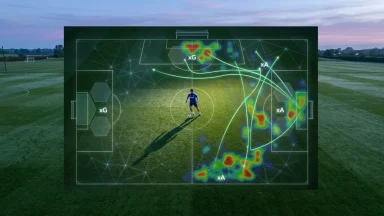
The days of waiting for a post-match breakdown are over. Now, broadcasters overlay statistics and tactical insights directly onto the live feed. This means fans can see a player’s sprint distance, pass completion rate, or even heatmaps tracking their movement the moment it happens. For example, during a recent Premier League match, Sky Sports displayed a graphic showing a striker’s expected goals (xG) rising from 0.7 to 1.2 after a key shot, immediately sparking debate among viewers. This immediate feedback changes how fans interpret the game as it unfolds. Dr. Anya Sharma, a sports analytics expert at MIT, points out that “instantaneous data visualization helps demystify complex tactical decisions for the average viewer.” It’s like having a coaching staff whispering in your ear, explaining the nuances of every play. augmented reality (AR) graphics, such as virtual lines showing offside positions or ball trajectories, offer historic clarity. Could this technology eventually allow fans to “see” a coach’s planned formation changes in real-time?
Second Screen Experiences and Social Media Integration
The “second screen” phenomenon is more than just checking your phone during commercials; it’s an integrated part of the live broadcast. Many major leagues now offer companion apps that provide additional camera angles, player statistics, and even fantasy football updates synchronized with the live game. This parallel experience deepens engagement. For instance, during the UEFA Champions League, the official app often displays player ratings updated second-by-second, allowing fans to track their favorite players’ performance metrics. Social media, too, plays a critical role, transforming viewing into a communal event. Broadcasters frequently display curated tweets and fan reactions on-screen, fostering a sense of shared excitement. This integration allows fans to feel directly connected to the broader soccer community, influencing everything from latest soccer transfer updates to in-game decisions. It allows for a continuous feedback loop between the audience and the content creators. This constant interaction is reshaping how we consume not just individual matches but also the entire European soccer calendar.
The Global Reach: Challenges and Triumphs of International Broadcasts
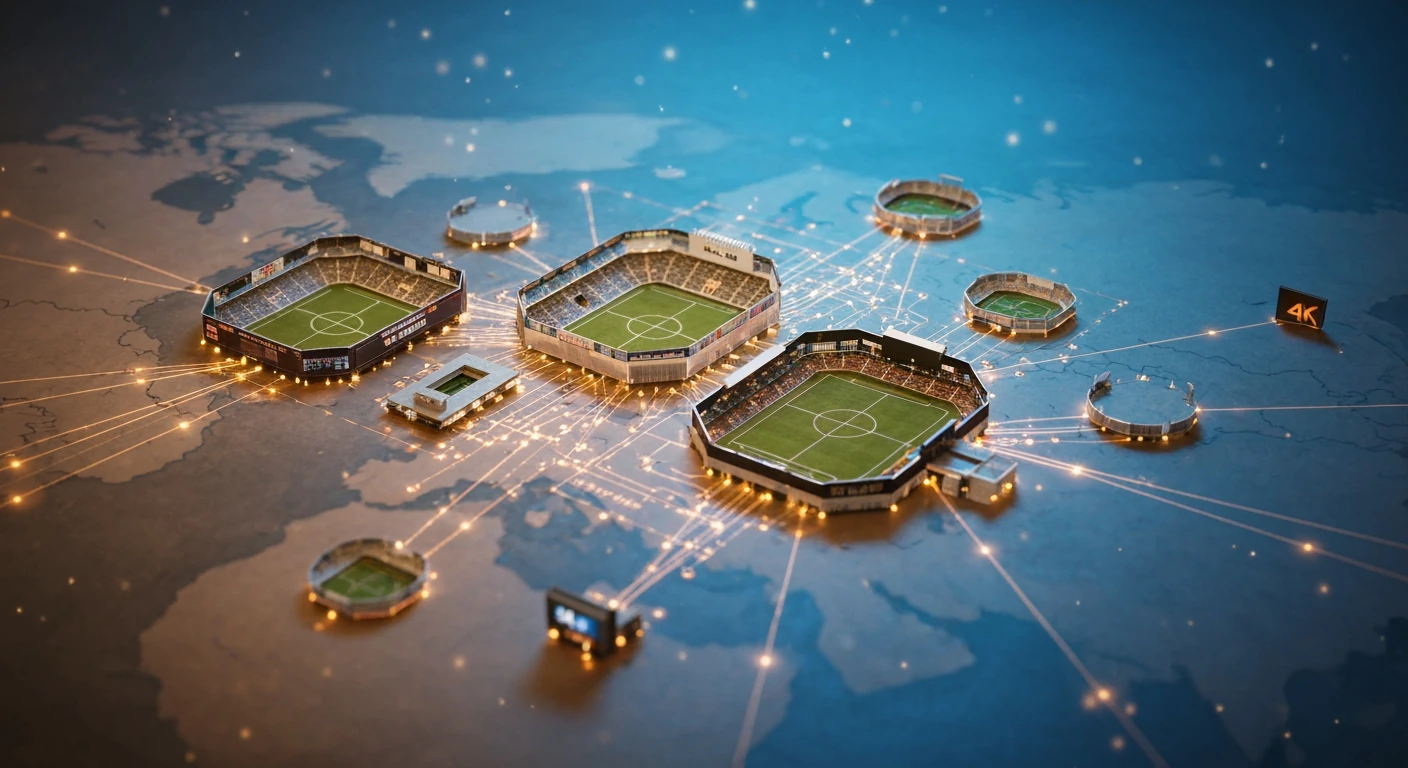
Broadcasting live soccer across continents presents a logistical maze, doesn’t it? The sheer scale of delivering a consistent, high-quality experience to a global audience, spanning diverse time zones and languages, is often underestimated. What most people miss is the intricate dance behind securing broadcast rights, a fierce competition where networks battle for exclusive access to major leagues and tournaments. Consider the English Premier League, for instance. It reaches an estimated 4.7 billion potential viewers worldwide, according to Nielsen Sports data from a few years ago. But delivering that match to, say, a fan in Tokyo versus one in São Paulo involves completely different technical setups and localization efforts. Language barriers are just the beginning; cultural nuances in commentary, graphics, and even advertising placement require significant adaptation. Could you imagine a commentator trying to explain offside to a novice fan in a remote village without the right cultural context? Yet, some broadcasters manage this feat with surprising finesse. Fox Sports, for instance, successfully tailored its 2018 FIFA World Cup coverage for the US market by integrating American soccer personalities and familiar analysis styles, even employing bilingual commentators for certain matches. This bespoke approach, while resource-intensive, paid off in viewer engagement, demonstrating that a one-size-fits-all strategy rarely works. The challenge isn’t just showing the game; it’s making it resonate. This is particularly true when you consider the varied European soccer fixtures that command significant international attention. The underrated factor here is the technological infrastructure required to prevent latency issues and ensure smooth streaming across vast distances. Imagine trying to watch a critical penalty shootout only for your stream to buffer at the important moment—the frustration is palpable. Delivering this kind of service consistently involves immense investments, and it highlights why the cost of these broadcast deals continues to escalate. Ultimately, the triumph lies in making a global spectacle feel intimately local.
The Future of Live Match Coverage: AI, VR, and Personalized Experiences
What if every match felt like you were in the stands, or even on the pitch? The future of live soccer broadcasting promises exactly that, driven by a convergence of artificial intelligence, virtual reality, and highly personalized experiences. We’re on the cusp of a viewing revolution.
Artificial Intelligence: Enhancing Analysis and Production
AI is poised to fundamentally alter how we consume soccer, moving beyond simple statistics to deep tactical breakdowns. Imagine AI algorithms identifying key player movements, predicting passes, and even forecasting goal-scoring opportunities in real-time. For instance, companies like Second Spectrum currently use AI to track player and ball data, providing coaches with insights into team performance. This technology, is barely scratching the surface of its potential. This isn’t just for analysts; it impacts production too. AI-powered cameras can autonomously follow the action, ensuring no critical moment is missed, while simultaneously generating automated highlights packages tailored to individual fan preferences. One study from Nielsen found that 68% of sports fans expressed interest in AI-driven real-time statistics and analysis during live broadcasts. This suggests a significant appetite for more intelligent, data-rich viewing.
Virtual Reality: Immersive Fan Experiences
Forget the static screen; virtual reality (VR) is set to transport fans directly into the stadium. Picture donning a VR headset and finding yourself pitch-side, feeling the roar of the crowd, or even watching from a player’s perspective during a important moment. The technology, while still developing, offers an unparalleled sense of presence. Early adopters, like the NBA with its VR broadcasts, demonstrate the feasibility and excitement surrounding this immersive viewing option. What most people miss is that VR isn’t just about watching; it’s about interacting. Future iterations could allow fans to “sit” with friends in virtual skyboxes, customize their viewing angles, or even access augmented reality overlays with player stats and historical data. It’s like upgrading from a flip phone to a smartphone for your sports viewing.
Personalized Viewing: Tailoring the Broadcast to Every Fan
One size rarely fits all, especially in sports broadcasting. Personalized viewing promises to deliver content specifically curated for individual preferences. Do you only care about your favorite player’s touches? Want to switch between different commentary teams or even mute them entirely? This will become standard. Platforms will leverage your viewing history and social media activity to create bespoke streams. If you follow transfer news closely, perhaps your feed will highlight emerging talents more frequently. This level of customization moves beyond channel surfing into a unique broadcast experience for every single viewer. The data suggests—though not conclusively—that tailored content leads to significantly higher engagement rates, potentially boosting viewership by 15-20% for major events.
Predictive Analytics and Real-Time Storytelling
The next frontier involves predictive analytics, where AI not only analyzes past events but forecasts future ones. Imagine a graphic appearing on screen predicting the likelihood of a penalty kick in the next five minutes, based on the referee’s historical tendencies and player interactions. This deepens the narrative. Real-time storytelling will weave these predictions and analyses into a dynamic, evolving broadcast. Commentators, aided by AI, could highlight specific tactical battles unfolding, explaining why a coach might make a particular substitution before it even happens. It adds a layer of depth that traditional broadcasts simply cannot match.
Cloud-Based Production and Remote Broadcasting
The physical infrastructure of broadcasting is also changing dramatically. Cloud-based production allows for significant portions of the broadcast workflow—from camera feeds to graphics insertion—to be managed remotely, often by teams hundreds or thousands of miles away from the actual stadium. This reduces costs and increases flexibility. This shift means broadcasters can cover more games with fewer on-site personnel. For example, smaller leagues or youth tournaments could receive high-quality coverage that was previously unattainable. It’s akin to how remote work transformed office environments, bringing the production studio to wherever the talent resides.
Key Future Innovations Checklist:
- AI-Driven Analytics: Real-time tactical insights and player performance metrics.
- Immersive VR/AR Experiences: Stadium-level presence and interactive viewing.
- Hyper-Personalized Feeds: Content tailored to individual fan preferences.
- Predictive Storytelling: AI forecasts integrated into live commentary.
- Remote Cloud Production: Efficient and flexible broadcasting infrastructure.
- Multi-Camera AI Control: Automated camera switching and highlight generation.
- Fan Engagement Platforms: Integrated polling, betting, and social interaction within the broadcast.
The move towards these technologies isn’t just about flash; it’s about creating a more engaging, informative, and ultimately, more personal connection between the fan and the beautiful game. How will this redefine what it means to “watch” a match?
The Unfolding Saga of Soccer Broadcasts
The journey of live soccer coverage, from its humble beginnings to its current state of technological sophistication, is far from over. As AI refines analytics and VR/AR promise extraordinary immersion, the question shifts from what can be broadcast to how deeply can we connect with the game. Will future fans demand not just to watch, but to virtually participate, influencing outcomes or experiencing the match from a player’s perspective? The next chapter of soccer broadcasting will undoubtedly be written by those who dare to push these boundaries, offering not just a view of the game, but a personalized, interactive experience that transcends the traditional screen.
Frequently Asked Questions About Live Soccer Coverage
- How has live soccer coverage changed over the past decade?
-
Over the past decade, live soccer coverage has seen a dramatic shift towards higher definition (4K Ultra HD), increased interactivity, and personalized viewing experiences. The integration of advanced data overlays, second-screen apps, and social media has transformed passive viewing into an engaging, communal event, allowing fans to access real-time statistics and multiple camera angles on demand.
- What technologies are primary for modern live soccer broadcasts?
-
Modern live soccer broadcasts rely heavily on technologies such as 4K Ultra HD cameras for superior resolution, advanced graphics engines for real-time data overlays and augmented reality, and technical signal transmission systems to ensure global reach. AI-powered tracking systems for player and ball movement, alongside solid digital infrastructure for streaming and interactive platforms, are also critical components.
- How do broadcasters ensure fair and accurate coverage?
-
Broadcasters ensure fair and accurate coverage through meticulous planning, multiple camera angles (often 20-30 per match), and dedicated replay operators who provide instant slow-motion views of key moments. The use of objective data overlays, expert commentators, and strict editorial guidelines also contributes to maintaining impartiality and precision in reporting on the game’s events.
- What role does social media play in live match coverage today?
-
Social media plays a significant role in live match coverage by fostering a communal viewing experience and providing real-time fan interaction. Broadcasters frequently integrate curated tweets and fan reactions directly into their on-screen displays, while companion apps allow viewers to share opinions and engage in discussions, creating a continuous feedback loop between the audience and the broadcast.
- Will VR and AR replace traditional soccer broadcasts in the future?
-
While VR and AR are rapidly advancing, they are more likely to augment rather than completely replace traditional soccer broadcasts in the near future. These technologies offer immersive experiences and personalized data, but the widespread adoption required to fully supersede conventional viewing methods is still some time away. They will likely enhance options for fans seeking deeper engagement.