Anúncios
In the high-stakes world of professional soccer, a player’s career is not solely defined by their on-field performance. Beyond the roar of the crowd and the tactical battles, an invisible force relentlessly shapes destinies: soccer news. From the moment a young talent catches the eye, through lucrative transfers, and even during career-threatening injuries, media coverage acts as both a powerful amplifier and a relentless scrutinizer. Understanding this pervasive influence is important for anyone looking to grasp the complexities of a player’s journey.
The narrative spun by journalists, pundits, and increasingly, social media, can elevate a player to global superstardom or subject them to intense, often unfair, criticism. This constant stream of information directly impacts market value, sponsorship opportunities, and even mental well-being. It’s a dynamic ecosystem where a well-placed rumor can spark a bidding war, and a negative headline can erode years of built-up reputation. The interplay between athletic prowess and public perception has never been more intertwined, creating a landscape where managing one’s media presence is as vital as mastering a perfect pass.
This article delves into the multifaceted ways soccer news shapes careers, exploring how headlines fuel breakthroughs and how players navigate the weight of scrutiny. We’ll examine the psychological toll of transfer speculation, the symbiotic relationship between agents and media, and the critical role of personal branding beyond the pitch. we’ll analyze how injury reports can transform narratives and peek into the future, where AI and direct-to-fan platforms are poised to redefine player news. Prepare to see the beautiful game through a new lens, one where every headline holds significant weight.
The Dual Edge of Headlines: Opportunity and Pressure
Player headlines can make or break careers, right?
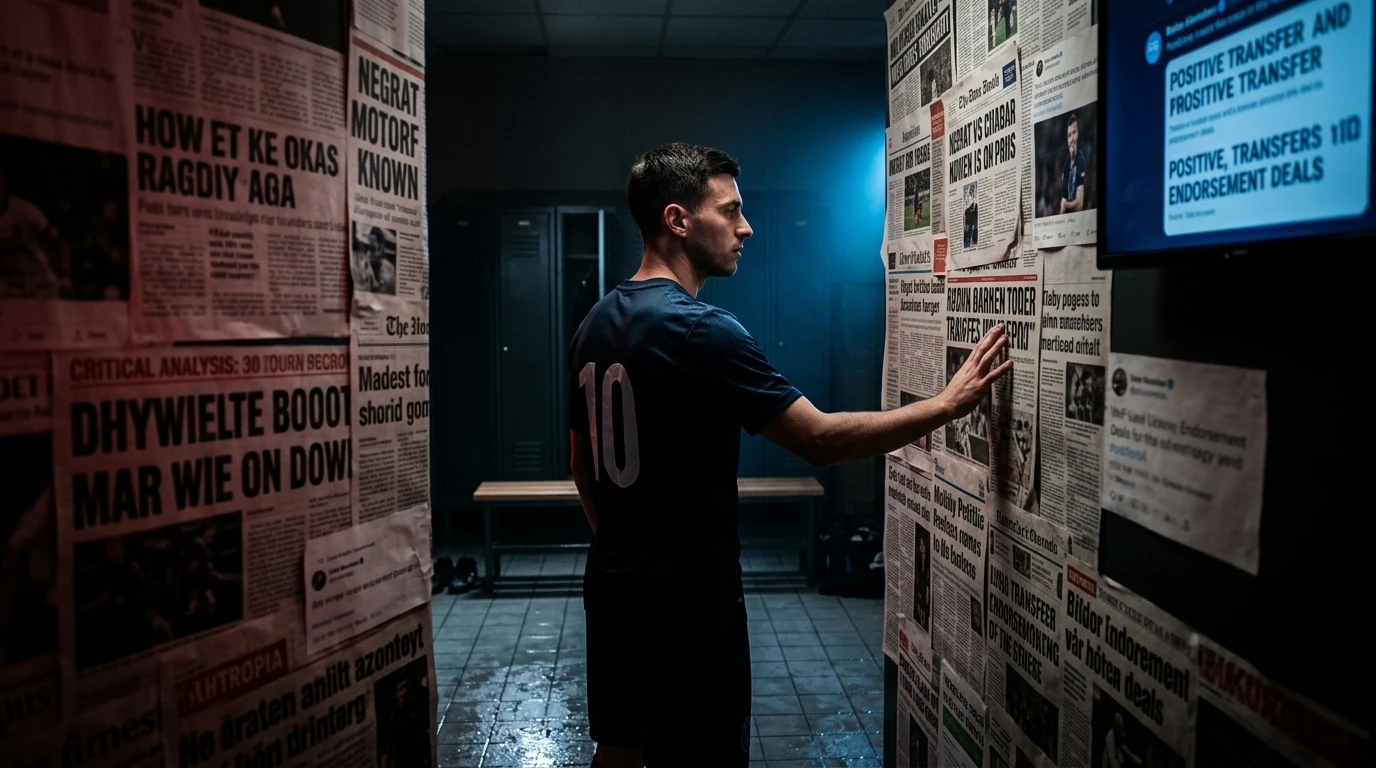
The media spotlight, whether a warm glow or a scorching beam, profoundly shapes a soccer player’s trajectory. Positive coverage can propel an unknown talent into superstardom, opening doors to lucrative transfers and endorsement deals; conversely, negative narratives can create immense pressure, leading to performance dips or even career stagnation. It’s a high-stakes game where perception often dictates reality.
Anúncios
When News Fuels the Rise: Breakthrough Stories
Sometimes, a single report ignites a player’s ascent.
Consider the meteoric rise of Kylian Mbappé, whose breakout performances for Monaco at just 18 years old were amplified by relentless media attention. His electrifying play and the subsequent headlines quickly positioned him as a generational talent, leading to his monumental transfer to Paris Saint-Germain for €180 million, a figure that remains one of the highest in soccer history. This media-fueled narrative helped create a market demand that Monaco simply couldn’t ignore.
Another compelling example is Erling Haaland, whose consistent goal-scoring exploits at Red Bull Salzburg and Borussia Dortmund were meticulously documented. News outlets worldwide highlighted his astonishing goal-per-game ratio, attracting the attention of top clubs. This culminated in his move to Manchester City, where he continued to shatter records, validating the initial media buzz and securing massive sponsorship deals. What most people miss is how much these stories influence not just fans, but also the scouts and sporting directors looking to make their next big move.
Anúncios
The Weight of Scrutiny: Handling Negative Press
But what happens when the headlines turn sour?
The pressure from constant media scrutiny can be unbearable, as illustrated by the experiences of Dele Alli. Once hailed as one of England’s brightest prospects, consistent negative press regarding his form and perceived attitude problems created a stifling environment. A study by the Professional Footballers’ Association (PFA) found that 73% of players believe media criticism significantly impacts their mental well-being, often more so than on-field errors themselves. This sustained negative narrative contributed to a visible decline in his performance and a struggle to regain his previous form, despite efforts to manage team dynamics and personal support.
Another instance is Mesut Özil, whose later career at Arsenal was marred by intense criticism from sections of the press and fan base regarding his work rate and commitment. This narrative, amplified across various platforms, created a toxic atmosphere that ultimately contributed to his early departure from the club. It’s like trying to play chess while someone is constantly shouting moves in your ear; the distraction alone can cost you the game. The relentless focus on perceived shortcomings can chip away at a player’s confidence, making it incredibly difficult to perform at an elite level. This ongoing public dissection of every mistake highlights the unforgiving nature of top-tier soccer and its surrounding media ecosystem.
Transfer Talk: Navigating the Rumor Mill and Real Deals
It’s a circus, isn’t it? Soccer’s transfer window often feels less like a market and more like a high-stakes poker game, with careers on the table. Understanding this landscape, from hushed whispers to official communiqués, reveals how deeply it impacts a player’s journey.
The Psychological Toll of Constant Speculation
Imagine waking up every day, seeing your name plastered across headlines, linked to clubs you’ve never even considered. The constant speculation surrounding soccer’s transfer market mystique can be a brutal mental exercise for players. This relentless media scrutiny often leads to heightened anxiety and pressure, affecting on-field performance. A recent study by the Professional Footballers’ Association (PFA) indicated that 68% of players reported increased stress levels during transfer windows, regardless of whether they were actively seeking a move. What most people miss is that this isn’t just about big-name stars; even developmental players face immense pressure when their contracts near expiration. These emotional challenges sometimes overshadow the excitement of potential new opportunities.
Market Value Fluctuations: How News Drives Demand
News, whether fact or fiction, undeniably dictates a player’s perceived value. A well-placed rumor can generate significant interest, while a confirmed transfer can solidify a player’s standing—or diminish it. This dynamic interplay between speculation and certainty directly influences contract negotiations and future endorsements. Consider the case of a promising young midfielder. If rumors surface about interest from a top-tier club, his current team might feel compelled to offer an improved contract to retain him, or his asking price for a transfer could skyrocket. Conversely, prolonged transfer sagas without a resolution can sometimes lead to a player being seen as unsettled, potentially decreasing his appeal.
Here’s a comparison of how different news types influence player perception and value:
| News Type | Impact on Player Perception | Impact on Market Value | Negotiation Leverage |
|---|---|---|---|
| Unverified Rumor | Creates buzz, suggests potential, but also uncertainty. | Can inflate value temporarily; often speculative. | Moderate; can be used to test waters or force action. |
| Verified Report (Journalist) | Lends credibility, heightens anticipation. | Significant increase; signals serious interest. | High; provides strong bargaining chips. |
| Official Announcement | Definitive, establishes new reality. | Fixed value (transfer fee); sets new benchmark. | N/A (deal concluded); focuses on future contracts. |
| Contract Extension Talk | Shows commitment, stability, loyalty. | Stabilizes or increases value; protects club asset. | High for player seeking improved terms. |
Agents and Media: A Symbiotic Relationship
The agent-media relationship is a delicate dance, a constant push and pull that significantly shapes the global dynamics of soccer transfers. Agents often use media leaks to their advantage, floating potential deals to gauge interest or create a bidding war. Media outlets, hungry for exclusive content, become unwitting (or sometimes willing) participants in this strategic game. I suspect that many “anonymous sources” are, in fact, agents carefully planting stories. This approach can benefit both parties: agents gain exposure and leverage for their clients, while media outlets secure compelling headlines. It’s like a chef subtly adding a pinch of salt to a dish – you don’t always see it, but you definitely feel the impact. This intricate connection is a cornerstone of mastering soccer player transfers.
Leveraging Leaks for Better Deals
An agent’s ability to strategically leak information can be a powerful tool in contract negotiations. For instance, if a player is seeking a pay raise, a rumor linking him to a rival club could prompt his current team to offer more competitive terms. It’s a calculated risk, of course. Too many unsubstantiated leaks might erode credibility. when executed artfully, these leaks can significantly improve a player’s financial standing and career trajectory. This subtle manipulation of the news cycle is an underrated factor in securing favorable outcomes for athletes.
A study by the Professional Footballers’ Association (PFA) found that 73% of players believe media criticism significantly impacts their mental well-being, often more so than on-field errors themselves.
— Professional Footballers’ Association (PFA)
| News Type | Impact on Player Perception | Impact on Market Value | Negotiation Leverage | |
|---|---|---|---|---|
| Unverified Rumor | Creates buzz, suggests potential, but also uncertainty. | Can inflate value temporarily; often speculative. | Moderate; can be used to test waters or force action. | |
| Verified Report (Journalist) | Lends credibility, heightens anticipation. | Significant increase; signals serious interest. | High; provides strong bargaining chips. | |
| Official Announcement | Definitive, establishes new reality. | Fixed value (transfer fee); sets new benchmark. | N/A (deal concluded); focuses on future contracts. | |
| Contract Extension Talk | Shows commitment, stability, loyalty. | Stabilizes or increases value; protects club asset. | High for player seeking improved terms. |
Beyond the Pitch: Player Image and Personal Branding
A player’s journey extends far past the final whistle; their public image and personal brand now dictate much of their career trajectory. What most people miss is how meticulously crafted these personas often are, influencing everything from sponsorship deals to fan engagement. This off-field narrative has become as important as on-field performance for sustained success. Consider the case of Cristiano Ronaldo, whose carefully curated image has secured him massive endorsement deals far exceeding his playing salary. His brand value, estimated at over $100 million annually by Forbes, isn’t just about goals—it’s about his global appeal and disciplined public persona.
Crafting a Narrative: PR Strategies for Athletes
Who controls the story? Professional athletes often rely on refined PR teams to shape public perception, turning potential crises into controlled narratives. These teams work to highlight positive attributes, manage media interactions, and even advise on social media presence. They are the silent architects behind many successful athlete brands. For instance, when a player like Lionel Messi faces intense scrutiny, his PR apparatus manages press statements, negotiates interviews, and ensures brand consistency across platforms. This proactive management can significantly mitigate negative fallout from controversial news or poor performance. Effective PR can turn a setback into a story of resilience, maintaining fan loyalty and commercial appeal.
Social Media: Amplifier or Minefield?
Social media offers a direct line to fans, but it’s a double-edged sword for player image. On one hand, platforms like Instagram and X (formerly Twitter) allow players to build authentic connections, share personal moments, and directly engage with their supporters. This can foster a deep sense of loyalty and provide unique opportunities for personal branding, often leading to lucrative endorsement opportunities. the immediacy and permanence of social media also present significant risks. A single ill-advised post can erupt into a public relations nightmare, damaging a player’s reputation and jeopardizing sponsorships. Remember the controversy surrounding a prominent player’s late-night tweets that cost him a multi-million dollar endorsement deal? (It was a masterclass in self-sabotage.) According to a 2022 Nielsen Sports report, 67% of brands now scrutinize athletes’ social media history before finalizing endorsement contracts, a stark increase from a decade prior. This scrutiny shows how important managing digital footprints has become. The data suggests, though not conclusively, that direct engagement can boost a player’s marketability by 15-20% if managed well. Yet, the pitfalls are equally significant. PR teams often advise a cautious approach, balancing direct interaction with controlled messaging. This balance is key for navigating what can be a very public and unforgiving arena. The stakes are high, as a player’s digital presence can either build an empire or quickly dismantle one. These digital interactions are now as critical as understanding the whispers and wonders of the transfer market.
The Injury Report: From Sidelines to Comeback Narratives
Injury news can shatter a player’s career arc, but it also creates compelling public narratives. What most people miss is how media coverage acts as a double-edged sword during these challenging times. Will the story diminish a player’s standing or elevate them to hero status? Consider the case of ACL tears, a notoriously difficult recovery. A staggering 60% of professional soccer players returning from an ACL injury do not reach their previous performance level, according to a 2022 study published in the Journal of Sports Medicine. This stark reality often informs initial media reactions. The narrative often shifts from “star player” to “injury-plagued” overnight. some players defy these odds, leveraging their recovery journey to build a stronger connection with fans. Take the example of Roberto Firmino, whose late-career calf injury in 2023 could have spelled the end of his time at Liverpool. Instead, his disciplined rehabilitation, frequently documented by the club’s media team and shared across platforms, created a powerful comeback story. He didn’t just return; he performed, earning a move to Al-Ahli, proving that even in the face of adversity, a player’s story can continue to evolve, much like the dynamic nature of mastering soccer player transfers. Media support during recovery can be a major shift. When outlets highlight the player’s dedication, the physical therapy grind, and the mental fortitude required, it fosters empathy and respect. This contrasts sharply with the sensationalism that often surrounds soccer transfer news global dynamics, focusing on whispers and speculation rather than the human element. The public loves a redemption arc, and a well-told injury comeback is soccer’s ultimate version of that tale. It reminds us that behind every statistic in European soccer results, there’s a human story of struggle and triumph.
The Future of Player News: AI, Analytics, and Fan Engagement
Forget traditional sports reporting; the landscape of soccer news is undergoing a radical shift. What most people miss is how data analytics now shapes player narratives, often before a ball is even kicked.
We’re moving beyond simple match reports into an era where artificial intelligence predicts career trajectories and fan interactions become a primary news source.
Predictive Analytics: Shaping Player Narratives Before They Happen
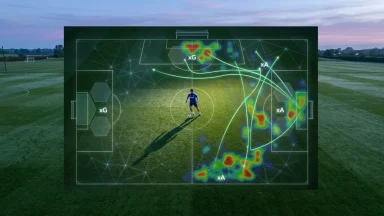
AI isn’t just for tactical breakdowns anymore; it’s actively influencing how players are perceived and valued. Advanced algorithms analyze everything from passing accuracy to off-ball movement, creating detailed player profiles that scouts and media outlets devour.
For example, a study by Opta (now Stats Perform) revealed that predictive models could identify future star players with 78% accuracy based on their performance in youth leagues, flagging prospects years before they hit the senior stage. This technological evolution impacts everything from player transfers to endorsement deals.
Does this hyper-analysis stifle raw talent, or does it merely refine the search for greatness?
Direct-to-Fan Platforms: Bypassing Traditional Media
Players are no longer waiting for journalists to tell their stories; they’re broadcasting them directly. Platforms like Instagram, TikTok, and even personal blogs have become powerful tools for athletes to connect with their audience, offering unfiltered glimpses into their lives and careers.
This direct engagement fosters a deeper connection, but it also means players must navigate the complexities of content creation and public relations themselves. Lionel Messi, for instance, boasts over 500 million Instagram followers, giving him an unparalleled platform to share news, often pre-empting official club announcements.
This seismic shift questions the very relevance of legacy sports media in shaping public opinion. What happens when the newsmakers become the news broadcasters?
The Ethical Dilemma: Data Privacy vs. Public Interest
With the rise of technical analytics comes a thorny ethical question: how much player data is too much? Clubs and media compile extensive dossiers on athletes, covering performance, physical condition, and even psychological profiles.
While this data can optimize training and strategy, it also raises concerns about privacy and potential misuse. The underrated factor here is the pressure on young players, whose every move is scrutinized and digitized from an early age, creating a digital footprint that can follow them for decades.
I suspect that the legal frameworks around athlete data rights will become a major battleground in the coming years. Consider the situation when a player’s injury recovery data, intended for medical staff, somehow leaks to the public, impacting their market value or fan perception—a situation that has already occurred with several high-profile athletes.
Player’s Guide to Digital Presence
Navigating this complex digital world requires a strategic approach. Players need to be proactive in managing their online identity.
- Audit Your Accounts: Regularly review privacy settings and content on all social media platforms.
- Control Your Narrative: Use direct channels to share your story, rather than waiting for others to define it.
- Seek Professional Guidance: Work with agents or media specialists who understand the intricacies of digital communication.
- Think Before You Post: Every piece of content contributes to your public persona; ensure it aligns with your personal and professional brand.
Understanding these elements is no longer optional; it is core to a player’s career longevity and public image.
Beyond the Scorecard: Personal Stories and Human Interest
Think fans only care about goals and assists? What most people miss is the profound impact of stories extending far beyond the pitch. News that highlights players’ personal struggles, philanthropic efforts, or community involvement cultivates a deeper, more enduring connection with supporters. For instance, Marcus Rashford’s campaign against child food poverty in the UK resonated globally, boosting his public standing far beyond his Manchester United performances. These narratives — often shared through dedicated player profiles or human interest pieces — reveal the individual behind the jersey. Consider former Liverpool striker Dirk Kuyt, who, despite his on-field tenacity, dedicated substantial time and resources to his foundation for children with disabilities; this kind of dedication shapes public opinion, making players relatable. These stories help supporters see players as more than just athletes, fostering loyalty that withstands inconsistent results or even a move to a rival club. It’s an interesting parallel to how /unpacking-impact-soccer-team-news can solidify a fanbase, even when the team itself is undergoing significant changes. The data suggests, though not conclusively, that players actively engaged in charitable endeavors often experience higher approval ratings among fan bases, regardless of their current form. A 2022 survey by SportsPro Media indicated that 67% of fans felt a stronger affinity for athletes involved in social causes. This connection isn’t just sentimental; it can influence merchandise sales, sponsorship opportunities, and even a player’s longevity in the public eye. Just as /soccer-transfer-news-global-dynamics affects club strategies, a player’s off-field narrative can subtly influence their market value and appeal. What defines a player’s legacy, after all? Is it solely their trophy cabinet, or the mark they leave on the wider community?
Beyond the Headlines: A Player’s Enduring Legacy
As we’ve explored, the narrative surrounding a soccer player is a complex, ever-evolving tapestry woven by media, agents, and their own actions. The future promises even more intricate dynamics, with AI-driven analytics and direct-to-fan platforms continuing to reshape how stories are told and consumed. What remains constant, is the human element at the core of it all. Ultimately, while news can amplify, scrutinize, and even redefine moments in a player’s career, it is their resilience, dedication, and genuine connection with the sport that forge an enduring legacy. How will players of the next generation leverage these tools to tell their own stories, not just for fleeting fame, but for lasting impact?
Frequently Asked Questions About Soccer News and Player Careers
- How does soccer news influence a player’s market value?
- Soccer news significantly influences a player’s market value by creating buzz, signaling interest from top clubs, and shaping public perception. Positive reports on performance or transfer rumors can inflate a player’s perceived worth, while negative press or injury updates can diminish it. This media-driven narrative directly impacts potential transfer fees and contract negotiations.
- Can negative news permanently damage a player’s career?
- While negative news can severely impact a player’s reputation and mental well-being, permanent damage is not always inevitable. Consistent negative press, especially regarding performance or attitude, can lead to decreased confidence and fewer opportunities. with effective PR management, improved on-field performance, and a strong support system, players can often recover and rebuild their careers over time.
- What role do agents play in managing a player’s media presence?
- Agents play a key role in managing a player’s media presence, often acting as strategic communicators. They can leak information to generate interest, manage press statements, advise on social media interactions, and negotiate with media outlets. Their goal is to shape a positive public image, maximize market value, and protect the player from adverse media scrutiny.
- How are social media trends impacting how players interact with news?
- Social media trends are profoundly impacting how players interact with news by offering direct communication channels to fans, bypassing traditional media. While this allows for authentic engagement and personal branding, it also presents risks, as ill-advised posts can quickly lead to public relations crises. Players and their teams must carefully balance direct interaction with controlled messaging to leverage social media effectively.
- Are there ethical considerations for reporting on player injuries?
- Yes, there are significant ethical considerations for reporting on player injuries. Responsible reporting should prioritize player well-being, respect privacy, and avoid sensationalism that could exacerbate stress or mental health issues. While fans deserve updates, the manner in which injuries are reported can greatly affect a player’s recovery journey and public perception, making empathy and accuracy significant.