UEFA Regulations Impact: European Club Spending by July 2026

New UEFA Financial Sustainability Regulations will fundamentally reshape European football club spending and financial operations by July 2026, enforcing stricter cost controls, squad costs, and solvency requirements to promote long-term stability and competitive balance.
The landscape of European football finance is on the cusp of a significant transformation. By July 2026, new UEFA regulations will fundamentally alter how clubs manage their finances, particularly impacting player transfers, wages, and overall operational spending. Understanding the implications of these stricter controls is crucial for fans and stakeholders alike, as the UEFA Regulations Impact promises to reshape competitive dynamics and financial strategies across the continent.
The Evolution of UEFA’s Financial Controls
UEFA’s journey towards financial stability in European football began with Financial Fair Play (FFP) regulations, introduced in 2009. These initial rules aimed to prevent clubs from spending more than they earned, thereby curbing unsustainable debt and promoting long-term viability. However, over the years, FFP faced criticism for its perceived loopholes and uneven enforcement, leading to a demand for more robust and comprehensive financial frameworks.
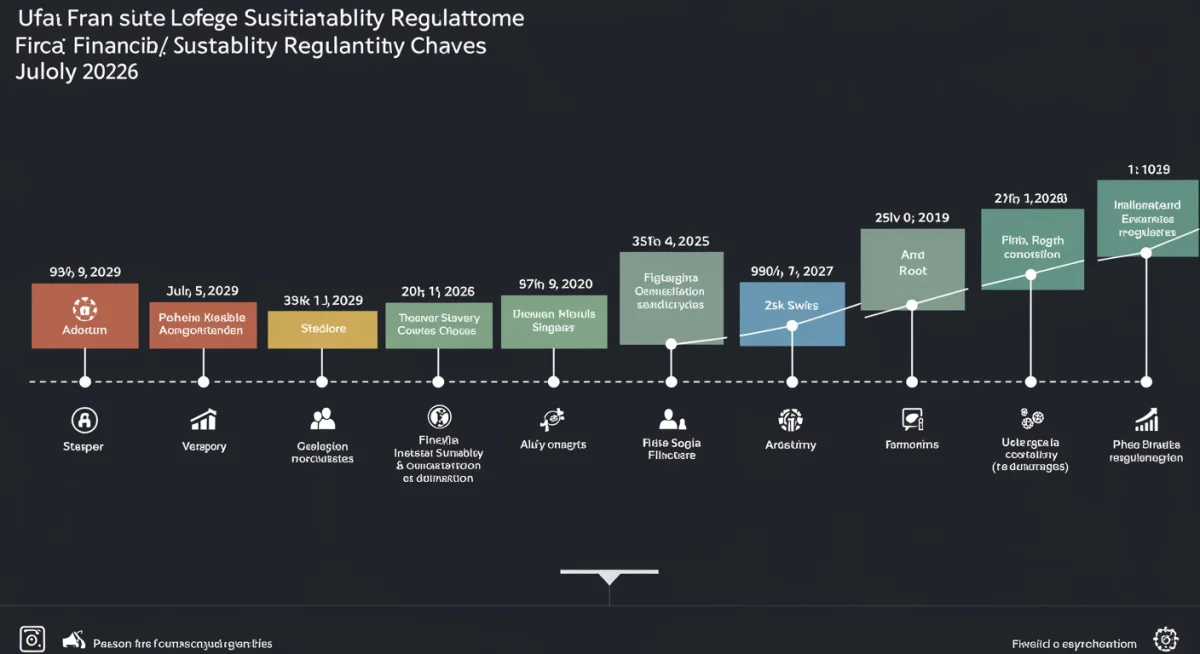
The new Financial Sustainability Regulations (FSR) represent a significant evolution, moving beyond simply breaking even to a more holistic approach that emphasizes solvency, stability, and cost control. This shift acknowledges the dynamic nature of football economics and seeks to create a fairer, more sustainable environment for all participating clubs. The phased implementation, culminating in full enforcement by July 2026, provides a critical window for clubs to adapt.
From FFP to FSR: A Paradigm Shift
The transition from FFP to FSR is not merely a rebranding; it’s a fundamental change in philosophy. While FFP focused heavily on the break-even requirement, FSR introduces a broader set of measures designed to address various aspects of financial health. This includes stricter controls on club ownership, increased transparency, and a greater emphasis on liquidity.
- Solvency Requirement: Clubs must demonstrate their ability to meet financial obligations as they fall due.
- Stability Requirement: Focuses on controlling expenditure relative to revenue, ensuring sustainable growth.
- Cost Control: Introduction of a squad cost ratio to limit spending on wages and transfer fees.
The underlying goal is to foster a more level playing field, where financial muscle alone does not guarantee dominance, and prudent management is rewarded. This comprehensive overhaul signals UEFA’s commitment to protecting the long-term health and integrity of European club football.
The Squad Cost Ratio: A Game Changer
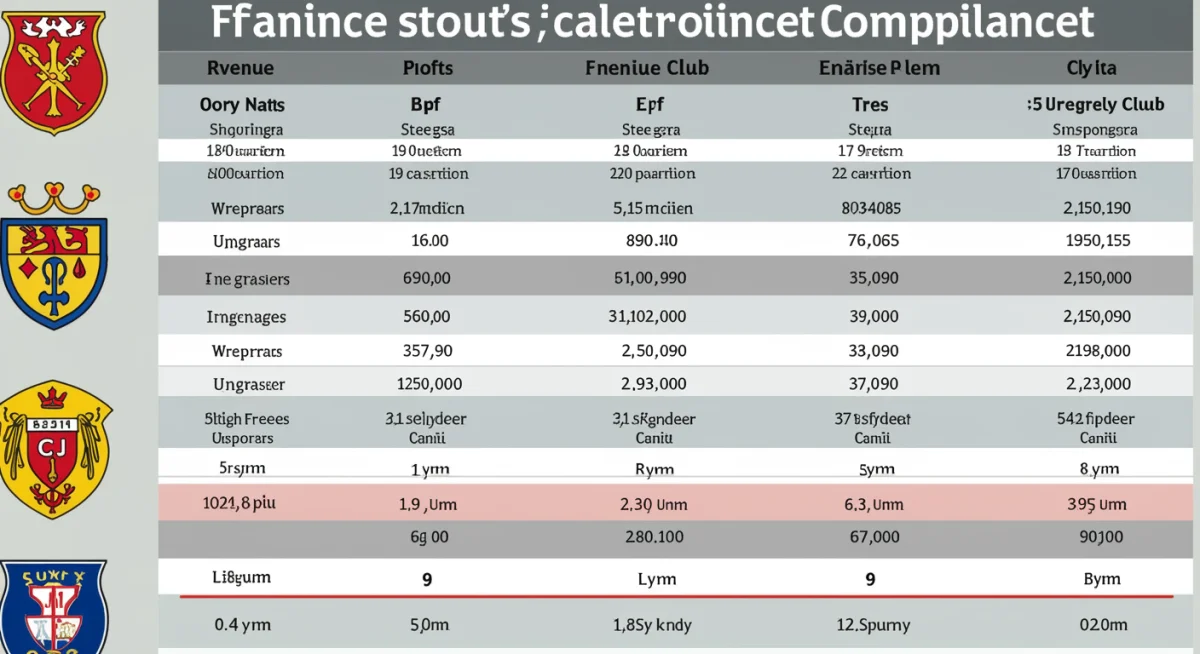
Perhaps the most impactful element of the new UEFA Regulations Impact is the introduction of the squad cost ratio. This regulation directly limits how much clubs can spend on player wages, transfer amortization, and agent fees relative to their total revenue. The ratio will be gradually phased in, starting at 90% in 2023/24, reducing to 80% in 2024/25, and finally settling at 70% by the 2025/26 season, with enforcement taking full effect by July 2026.
This mechanism is designed to prevent clubs from overspending on talent, a practice that has often led to financial distress and competitive imbalance. For many top clubs, this will necessitate a significant re-evaluation of their recruitment and wage structures. It will no longer be feasible to simply outspend rivals indefinitely without a corresponding increase in sustainable revenue.
Adjusting to the 70% Cap
The 70% cap on squad costs by July 2026 will compel clubs to adopt more strategic and efficient financial planning. Clubs currently operating above this threshold will need to either increase their revenue streams significantly or reduce their player-related expenditure. This could manifest in several ways:
- Wage Bill Reductions: Renegotiating contracts, selling high-earning players, or being more conservative with new signings’ salaries.
- Smarter Transfer Strategies: Focusing on youth development, free agents, or players with lower transfer fees and wage demands.
- Revenue Diversification: Exploring new commercial partnerships, increasing matchday income, or expanding global fan bases.
The implications extend beyond just the elite clubs. Even those currently within the limits will need to maintain strict discipline to avoid breaching the ratio in the future. This places a premium on financial foresight and a long-term vision for squad building, moving away from short-term, high-spending solutions.
Impact on Transfer Market Dynamics
The new UEFA Regulations Impact, particularly the squad cost ratio, is poised to profoundly alter the dynamics of the European transfer market. With a hard cap on player-related spending, clubs will face increased pressure to be more judicious with their transfer budgets. The era of exorbitant transfer fees and inflated wages for average players may slowly draw to a close, or at least become significantly more regulated.
Clubs will likely prioritize value for money, focusing on scouting and developing young talent, or identifying players whose market value has not yet peaked. This could lead to a more vibrant market for emerging talents and a potential decrease in blockbuster transfers for established stars, unless those deals are offset by significant player sales or revenue growth.
Strategic Shifts in Player Acquisition
The strategic shifts in player acquisition will be multifaceted. Clubs will likely engage in:
- Increased Focus on Academy Products: Investing more in youth academies to produce homegrown talent, reducing reliance on external transfers.
- Data-Driven Recruitment: Utilizing advanced analytics to identify undervalued players and optimize transfer spending.
- Loan Market Utilization: Strategic use of the loan market to develop players or fill squad gaps without incurring high transfer or wage costs.
- Player Sales as Revenue Generators: Viewing player sales not just as squad adjustments but as crucial components of financial sustainability.
The overall effect could be a more efficient and less speculative transfer market, where financial prudence dictates decisions as much as sporting ambition. Clubs will need to balance immediate success with long-term financial health, a challenge many have historically struggled with.
Solvency and Financial Stability Requirements
Beyond the squad cost ratio, the new FSR introduces stringent solvency and financial stability requirements, which are crucial components of the broader UEFA Regulations Impact. Clubs must demonstrate their ability to meet financial obligations in the short and medium term, ensuring they are not operating on the brink of collapse. This includes stricter monitoring of overdue payables to other clubs, employees, and social/tax authorities.
The objective here is to prevent situations where clubs accumulate massive debts, potentially jeopardizing their existence and the integrity of competitions. Regular financial reporting and audits will become even more critical, demanding greater transparency and accountability from club administrations. This move aims to protect the sport from the financial mismanagement that has plagued several clubs in the past.
Ensuring Long-Term Viability
To ensure long-term viability, clubs will need to prioritize:
- Robust Cash Flow Management: Maintaining sufficient liquidity to cover operational expenses and unforeseen costs.
- Sustainable Business Models: Developing revenue streams that are not overly reliant on a single source, such as player sales or owner investment.
- Prudent Debt Management: Avoiding excessive borrowing and restructuring existing debts to manageable levels.
- Transparent Financial Reporting: Adhering to strict accounting standards and providing clear, accurate financial statements.
These requirements will force clubs to operate more like traditional businesses, with a strong emphasis on financial health rather than relying solely on the generosity of wealthy owners. The focus is on creating a self-sustaining ecosystem within European football, where clubs can thrive without constant financial intervention.
Consequences for Non-Compliance
The new UEFA Regulations Impact also comes with a clearer and potentially harsher set of sanctions for non-compliance. While FFP had penalties, the FSR aims for a more consistent and impactful enforcement regime. Sanctions can range from financial fines and transfer bans to points deductions and even exclusion from UEFA club competitions. The severity of the penalty will depend on the nature and extent of the breach.
This stricter approach is intended to instill a greater sense of discipline among clubs and deter them from flouting the rules. The phased implementation leading up to July 2026 gives clubs ample time to adjust, meaning that excuses for non-compliance will likely be met with little leniency. UEFA is signaling that it is serious about creating a financially stable environment.
Potential Sanctions and Their Deterrent Effect
The range of potential sanctions includes:
- Financial Penalties: Fines that can significantly impact a club’s budget.
- Sporting Sanctions: Points deductions in domestic leagues or exclusion from UEFA competitions, which can have massive financial and reputational consequences.
- Transfer Restrictions: Limitations on spending in the transfer market or even outright bans on registering new players.
- Squad Restrictions: Limits on the number of players a club can register for UEFA competitions.
These sanctions are designed to be a powerful deterrent, encouraging clubs to proactively manage their finances within the prescribed limits. The risk of being excluded from lucrative competitions like the Champions League or Europa League provides a strong incentive for compliance, particularly for clubs that rely heavily on UEFA prize money.
The Future Landscape of European Club Football
By July 2026, the cumulative effect of these new regulations will likely have reshaped the competitive landscape of European club football. While the biggest clubs with vast commercial revenues may adapt more easily, those with more constrained finances or a history of heavy spending will face significant challenges. The regulations could foster a more competitive balance by limiting the ability of a few super-rich clubs to dominate through sheer financial power.
The emphasis on sustainable growth, youth development, and shrewd financial management could lead to a more meritocratic system, where smart decision-making is rewarded as much as, if not more than, deep pockets. This vision for the future aims to protect the integrity of the sport and ensure its long-term appeal to fans worldwide.
Opportunities and Challenges for Clubs
Clubs will encounter both opportunities and challenges:
- Opportunities: Enhanced financial stability, reduced risk of bankruptcy, a more level playing field, and increased transparency.
- Challenges: Adapting existing financial models, potentially reducing squad quality in the short term, and navigating stricter compliance requirements.
The UEFA Regulations Impact will demand innovation, creativity, and strategic planning from club executives. Those who embrace the spirit of these regulations and proactively adjust their operations are more likely to thrive in this new era of European football finance. The coming years will undoubtedly be a period of significant adjustment, but one that promises a healthier future for the beautiful game.
| Key Aspect | Brief Description |
|---|---|
| Squad Cost Ratio | Limits spending on wages, transfers, and agent fees to 70% of club revenue by July 2026. |
| Financial Solvency | Clubs must demonstrate ability to meet all financial obligations, including payments to other clubs and staff. |
| Stricter Sanctions | Non-compliance can lead to fines, transfer bans, points deductions, or exclusion from UEFA competitions. |
| Revenue Diversification | Encourages clubs to explore new commercial partnerships and increase various income streams. |
Frequently Asked Questions About UEFA’s New Financial Regulations
The new Financial Sustainability Regulations (FSR) go beyond FFP’s break-even rule by introducing a squad cost ratio, stricter solvency requirements, and a greater emphasis on liquidity. FSR aims for more holistic financial health, focusing on a club’s ability to meet immediate and future financial obligations, not just its profit and loss over a period.
The squad cost ratio limits spending on player wages, transfer amortization, and agent fees to a percentage of a club’s total operating revenue. It will be gradually phased in, reaching a maximum of 70% by the 2025/26 season, with enforcement by July 2026. This means clubs cannot spend more than 70% of their income on these specific costs.
For smaller clubs, the FSR could create a more level playing field by curbing the excessive spending of larger rivals. It might also encourage greater financial discipline and focus on sustainable growth. However, they will still need to ensure they meet the solvency requirements and manage their costs effectively to avoid sanctions.
Non-compliant clubs face a range of sanctions, including financial fines, transfer bans, points deductions in domestic leagues, or even exclusion from UEFA club competitions like the Champions League or Europa League. UEFA aims for a more consistent and impactful enforcement regime compared to previous FFP penalties.
Yes, significantly. The squad cost ratio directly impacts a club’s ability to spend on wages and transfer fees. Clubs will be forced to be more strategic, potentially leading to a decrease in exorbitant transfer fees and inflated wages. There might be a stronger emphasis on player development and more value-driven acquisitions.
Conclusion
The new UEFA Financial Sustainability Regulations, fully effective by July 2026, represent a monumental shift in the financial governance of European club football. By instituting a stringent squad cost ratio, robust solvency requirements, and clearer penalties for non-compliance, UEFA aims to foster an environment of greater financial responsibility and competitive equity. Clubs across the continent are now tasked with adapting their business models, recruitment strategies, and operational spending to align with these new parameters. The long-term vision is a more stable, sustainable, and ultimately more compelling European football landscape, where financial prudence is as celebrated as on-field success. The coming years will undoubtedly be a period of significant adjustment, but one that promises a healthier future for the beautiful game.